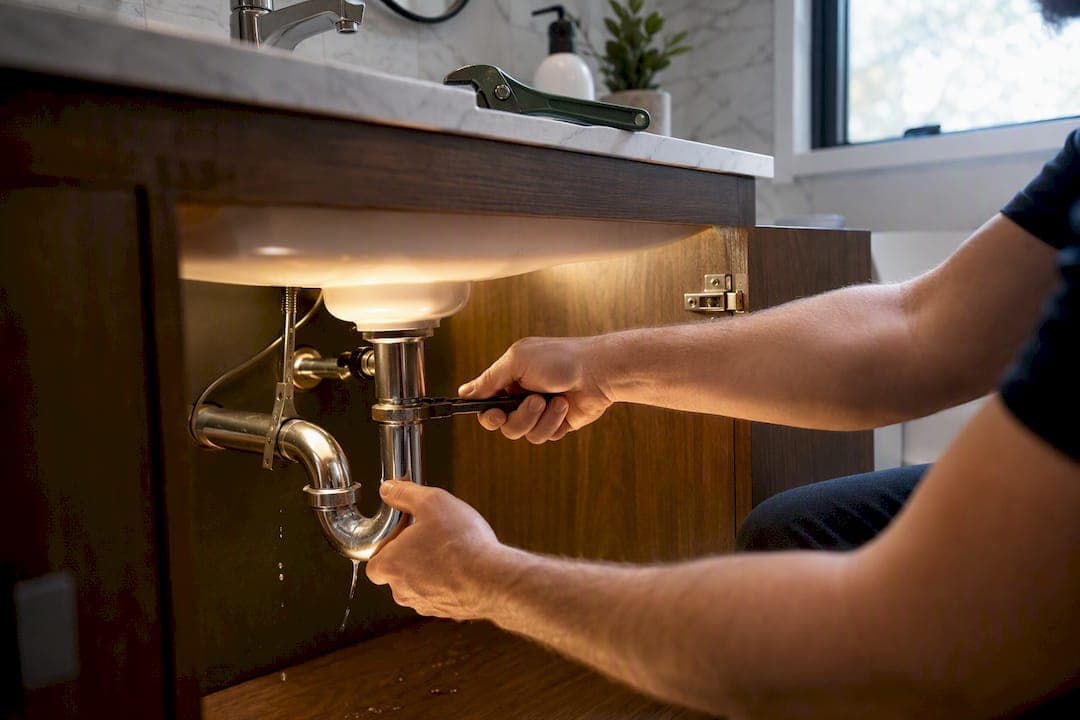
Landlords are legally required to maintain habitable rental units and promptly repair code related systems such as heat, plumbing, locks, and life safety devices. This duty comes from the implied warranty of habitability, and it applies whether or not the lease mentions it. Tenants generally cover minor upkeep and damage they cause; landlords own major systems, structural safety, and anything a local building or housing code requires.
TL;DR:
- Landlords must maintain core systems like heat, plumbing, and safety devices, regardless of lease language, and cannot transfer this obligation to tenants.
- Emergency repairs, such as no heat or gas leaks, require immediate response within 24 hours, while non-urgent issues generally need addressing within a few days to two weeks.
- Keeping detailed documentation of maintenance requests, repairs, and inspections is essential to protect against legal disputes and demonstrate compliance.
- Regular preventive tasks include monthly alarm testing, quarterly HVAC filters, and annual water heater flushes, with emergency repairs prioritized over routine maintenance.
- Owners managing multiple properties benefit from centralized workflows and management platforms to track tasks, vendor contacts, and keep records organized.
Table of Contents
- Who's Legally Responsible: Landlord vs. Tenant
- Key Landlord Duties and the Habitability Checklist
- Common Repairs Landlords Should Expect and How to Prioritize Them
- Notice, Entry, and Repair Timelines
- Tenant Remedies and Landlord Liability When Repairs Aren't Made
- Building a Documentation Workflow That Protects You
- A Practical Maintenance Checklist and 90-Day Calendar
- Why Responsiveness Is the Real Risk Management Tool
- An Easier Way to Stay on Top of Landlord Maintenance Responsibilities
- Sources
- FAQ
Who's Legally Responsible: Landlord vs. Tenant
The implied warranty of habitability is the legal floor under every residential lease in the United States, and no clause can write it out of existence. A landlord who tries to shift core habitability duties onto a tenant through lease language is usually not protected by that language when a dispute reaches court. FindLaw's guidance on landlord duties makes this distinction plainly: landlords maintain the structure and essential systems, tenants keep the unit clean and avoid causing damage.
Some states spell this out in detail. Florida's landlord obligation statute requires owners to comply with building, housing, and health codes, keep structural components sound, and supply working smoke detectors at the start of every tenancy. Minnesota takes a similar approach: statute 504B.161 obligates landlords to keep the premises and common areas in "reasonable repair" and to provide pest control when required by law. Neither statute lets a landlord contract around these duties by inserting a clause that says otherwise.
Typical landlord responsibilities include:
- Structural elements: roof, foundation, walls, stairs, and railings
- Electrical systems, including outlets, wiring, and breaker panels
- Plumbing, water heaters, and hot and cold running water
- Heating and, in many jurisdictions, cooling systems
- Smoke and carbon monoxide alarms
- Locks and other security hardware
- Pest control, where state or local law requires it
Typical tenant responsibilities include:
- Routine cleaning and trash removal
- Reporting leaks, pests, or broken fixtures promptly
- Replacing HVAC filters, if the lease assigns that task
- Repairing damage the tenant or a guest caused
A lease can shift a narrow, specific task to the tenant, such as lawn mowing or filter changes, if both parties agree to it in writing and something of value changes hands for that agreement; understanding how leases define maintenance duties and the limits of lease language is critical, as explained in Florida commercial leases: key clauses every business owner must review before signing. What a lease cannot do is hand off code compliance or life safety equipment. Minnesota's statute is explicit that written delegation of maintenance tasks doesn't erase the landlord's underlying duty to meet code.
Key Landlord Duties and the Habitability Checklist
A rental unit fails the habitability test the moment a core system stops working, whether that's a broken furnace in January or a leaking pipe that's been ignored for weeks. Every jurisdiction sets its own specifics, but the baseline items rarely change.
Pro Tip: Keep a copy of your state's landlord-tenant statute bookmarked. Florida owners should know §83.51 by heading; Minnesota owners should know 504B.161. When a tenant cites "the law," you'll know exactly what they mean.
Minimum habitability items landlords must maintain:
- Functioning heat during cold months, sized appropriately for the climate
- Hot and cold running water, plus a working water heater
- Operational plumbing, including toilets, sinks, and drains that don't back up
- Electrical service that meets code, without exposed wiring or overloaded circuits
- Structurally sound floors, walls, ceilings, stairs, and railings
- Working locks on all exterior doors and, in many jurisdictions, windows
- Smoke alarms in every sleeping area and on every level of the unit, plus carbon monoxide alarms where gas appliances or attached garages exist
On smoke alarms specifically, NFPA guidance recommends testing monthly and replacing units at least every ten years, a standard most local fire codes now mirror. GFCI outlets near water sources (kitchens, bathrooms, exterior outlets) are increasingly a baseline expectation too, not an upgrade.
Multifamily buildings carry a heavier compliance load than single-family rentals. NYC's Department of Buildings guidance requires periodic façade inspections, boiler certifications, and elevator maintenance on top of standard habitability rules, a reminder that owners of larger buildings answer to inspection schedules that single-family landlords never see.
Because these rules vary by city and state, verifying local requirements matters more than memorizing a national list. Call your municipal building department or housing code office before you assume a national checklist covers you completely. A city with a rent-stabilized housing stock, like New York, layers rules that a mid-sized Florida city simply doesn't have.
Common Repairs Landlords Should Expect and How to Prioritize Them
Some repairs can wait a week. Others can't wait an hour. Knowing the difference is the core skill of landlord maintenance responsibilities, and it's the single biggest factor in whether a small problem stays small.
Recurring, non-emergency items you should plan for year after year:
- Smoke and CO alarm battery replacement and unit testing
- Water heater flushing and eventual replacement (typical lifespan: 8 to 12 years)
- HVAC filter changes and annual system tune-ups
- Slow drains, running toilets, and minor pipe leaks
- Electrical outlet or switch failures
- Seasonal pest pressure (ants in spring, rodents in fall)
- Drywall cracks, nail pops, and minor cosmetic wear
Emergencies demand a same-day, often same-hour, response: no heat in freezing weather, a gas smell, a burst pipe flooding a unit, sparking outlets, or a broken exterior lock after a break-in. The Electrical Safety Foundation International flags electrical failures as a leading cause of home fires, which is exactly why sparking outlets or a breaker that trips repeatedly should never sit on a maintenance list waiting for "next week."
Pro Tip: Sort every incoming maintenance request into three buckets the moment it lands: emergency (act today), urgent (within 48 hours), and routine (schedule within the week). Writing this triage rule down once saves you from re-deciding it under pressure every time the phone rings.
Fixing things fast isn't just good customer service. Delayed repairs on habitability items are exactly what gives tenants legal grounds to withhold rent or file a complaint, so a quick response is also a liability shield. When in doubt about whether an issue is yours or the tenant's, ask: is this a system failure, or did someone break something? Systems are your job. Breakage caused by the tenant or a guest is theirs, unless normal wear and tear is the real cause.

Notice, Entry, and Repair Timelines
Tenants have a right to quiet enjoyment of their home, which means landlords cannot walk in whenever they feel like it, even to make a repair the tenant requested. Most states expect landlords to give 24 to 48 hours of notice before entering for a non-emergency repair, inspection, or showing.
Emergencies are the exception. A fire, a burst pipe, a gas leak, or any situation threatening life or property lets a landlord enter immediately, without advance notice. Everything else should go through a documented process:
- Send written notice (text, email, or a notice slipped under the door, depending on what your lease and state require) stating the date, time window, and reason for entry
- Keep a dated copy of every notice you send, even the routine ones
- Offer a reasonable time window rather than a single fixed hour, which tenants tend to appreciate and which reduces missed-appointment friction
- Confirm receipt when possible, especially for repairs tied to a habitability complaint
Scheduling around a tenant's stated preferences, when the repair isn't urgent, costs you nothing and prevents a surprising number of disputes from ever starting. A tenant who feels respected is far less likely to escalate a maintenance delay into a legal complaint.
Tenant Remedies and Landlord Liability When Repairs Aren't Made
Ignoring a habitability complaint doesn't make it disappear. It escalates it, and every escalation path costs a landlord more than the repair would have.
- Repair-and-deduct. Many states let tenants pay for the fix themselves and subtract the cost from rent, usually after giving the landlord written notice and a reasonable window to act first.
- Rent withholding or escrow. Some jurisdictions allow tenants to withhold rent or pay it into a court-supervised escrow account until the landlord makes the repair.
- Small claims court. Tenants can sue for the cost of repairs, temporary lodging, or damages tied to an uninhabitable condition.
- Constructive eviction. If conditions become severe enough (no heat for weeks, a collapsed ceiling), a tenant may argue the unit is unlivable and end the lease without penalty.
On the landlord side, the exposure runs from fines and rent credits to court-ordered repairs and, in serious or repeated cases, damage awards well beyond the cost of the original fix. Nolo's overview of landlord responsibilities and Justia's guidance for landlords both stress that documented, prompt responses are the strongest defense a landlord has if a dispute ever reaches a housing agency or a courtroom. A written notice, a dated work order, and a paid invoice tell a very different story to a judge than a verbal promise and no paper trail. When a situation looks headed for litigation or involves a habitability claim you're unsure how to handle, loop in a local landlord-tenant attorney or your city's housing agency before the dispute hardens.
Building a Documentation Workflow That Protects You
Proactive maintenance beats reactive maintenance every time, and the difference usually comes down to whether you have a system or a pile of text messages. A clear paper trail (photos of the completed repair, a dated tenant request, the vendor's invoice, a confirmation the work passed inspection) is often the single strongest defense against a habitability claim.
A simple workflow covers most of what a small portfolio needs:
- Intake: Log every request the moment it arrives, with the date, unit, and description
- Triage: Sort by severity (emergency, urgent, routine) before assigning anyone
- Assign: Route the job to a vetted vendor or contractor with clear instructions
- Inspect: Confirm the repair actually solved the problem, not just that someone showed up
- Close and archive: Save the invoice, photos, and tenant confirmation together
Pro Tip: Store everything by property and by date, not by vendor. When a dispute surfaces months later, you'll need to pull up "everything that happened at 214 Maple St. in March," not "everything Joe the plumber ever did for you."
A 90-day starter plan built around this workflow typically front-loads move-in condition checks, tests every smoke and CO alarm, preps HVAC for the coming season, and runs a pest inspection, all logged the same way. Property Command Center's guide to task tracking for small portfolios walks through this exact intake-to-archive workflow, and its 90-day maintenance plan lays out a sample calendar owners can adapt property by property. Centralizing these records, rather than splitting them across email, texts, and sticky notes, is what turns "I think I fixed that" into a documented answer you can produce on demand.
A Practical Maintenance Checklist and 90-Day Calendar
Every rental should get a documented walk-through before a new tenant moves in and again before the previous one moves out, covering safety inspection basics like alarms, locks, and visible structural issues.
- Move-in check: Test alarms, verify locks, photograph every room, confirm HVAC runs
- Monthly: Visual check of common areas, quick tenant check-in call or message
- Quarterly: HVAC filter change, gutter check, plumbing fixtures inspected for leaks
- Every 6 months: Smoke and CO alarm testing, pest inspection
- Annually: Full HVAC service, water heater flush, roof and exterior inspection
| 90-Day Window | Focus | Key Tasks |
|---|---|---|
| Days 1–30 | Baseline and safety | Move-in inspection, alarm testing, lock check |
| Days 31–60 | Systems | HVAC filter change, plumbing fixture check, pest inspection |
| Days 61–90 | Documentation and season prep | Photo archive review, seasonal HVAC prep, tenant check-in |
Record every completed task with a date and a photo, then send tenants a brief notice confirming the work is done. That single habit closes the loop on most disputes before they start.
Why Responsiveness Is the Real Risk Management Tool
Small landlords tend to underestimate how much a fast, documented response protects them. The legal exposure rarely comes from the repair itself. It comes from the gap between when a tenant reported the problem and when someone actually fixed it. Close that gap and most disputes never escalate past a text message.
— Francisco
An Easier Way to Stay on Top of Landlord Maintenance Responsibilities
Spreadsheets and email threads work fine until you own three properties instead of one, and then every missed filter change or lost invoice becomes a liability, not just an inconvenience. Some property management platforms centralize workflows including task tracking, vendor contacts, and document storage for warranties, invoices, and inspection records, all in one dashboard instead of scattered across apps.
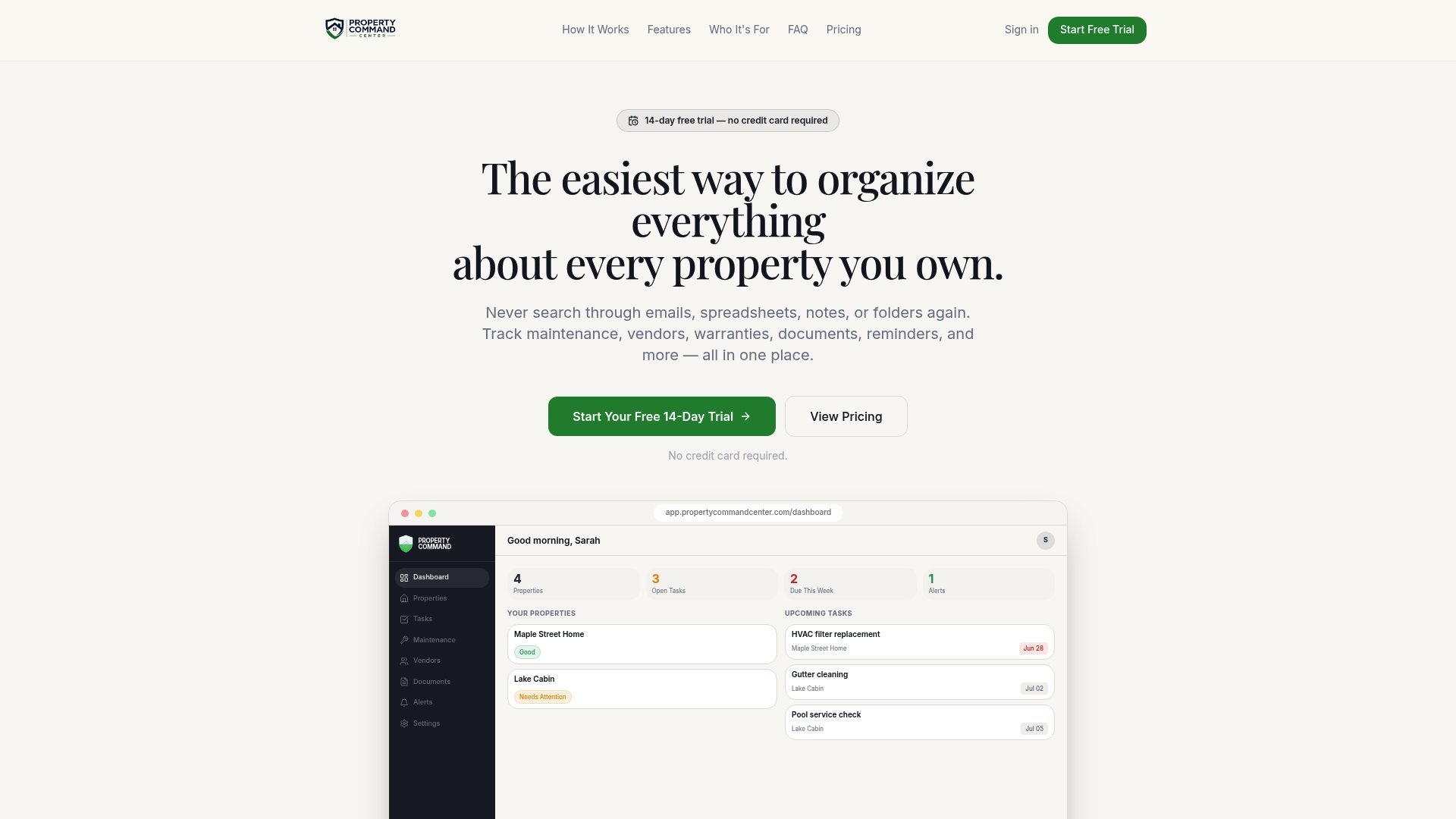
It's built for owners self-managing a handful of properties, vacation homes, or short-term rentals, not enterprise portfolios with dedicated maintenance staff. If you're the one fielding tenant texts and chasing down contractors yourself, that's exactly the gap it closes. Check the vendor directory tools to see how contact and job tracking work, then look at pricing plans to find the tier that matches how many properties you manage. A 14-day free trial requires no credit card, so you can test the workflow against your own next repair before committing to anything.
This article is general information, not a substitute for advice from a qualified lawyer. Consult a qualified legal professional about your own circumstances before acting on anything here.
Sources
- Landlords' Duties: Repairs, Maintenance, and Notice to Tenants for Entry - FindLaw
- Florida Statute §83.51 (2026) - Landlord’s obligation to maintain premises
- Minnesota Statute 504B.161 (2024) - Covenants of landlord or licensor
- Smoke alarms - NFPA
- NYC property maintenance guidance - NYC Department of Buildings
FAQ
Who Is Responsible for Maintaining a Rental Property?
The landlord is responsible for structural, electrical, and plumbing systems, plus life safety devices like smoke alarms, under the implied warranty of habitability. Tenants generally handle routine cleaning and damage they cause themselves.
Which Maintenance Tasks Do Landlords Handle Most Often?
Smoke alarm testing, water heater upkeep, HVAC servicing, plumbing leaks, and electrical repairs make up the bulk of recurring landlord maintenance responsibilities, according to state statutes like Florida's §83.51.
How Long Does a Landlord Have to Make Repairs?
Emergencies (no heat, gas leaks, major leaks) generally require action within 24 hours, while non-emergency repairs are typically expected within a reasonable time, often a few days to two weeks depending on severity and state law.
How Long Does a Landlord Have to Make Repairs in North Carolina?
North Carolina law doesn't set one fixed number of days for every repair; instead, it requires landlords to act within a "reasonable time" based on the severity of the issue, with habitability essentials like heat expected to be addressed promptly. Check North Carolina's specific landlord-tenant statute for the exact language that applies to your situation.
Can a Lease Shift Maintenance Duties to the Tenant?
A lease can assign narrow tasks like lawn care or filter changes to a tenant if both parties agree in writing, but it cannot eliminate the landlord's core duty to maintain habitability and comply with local codes.