Follow this season's checklist and set five monthly checks. That combination catches most of the failures that turn into expensive repairs. Fall carries the heaviest lift because it prevents the winter damage that costs the most, so if you only have time for one season this year, start there and book your HVAC and chimney pros in September.
TL;DR:
- Scheduling fall furnace and chimney services four to eight weeks before peak season prevents long wait times and premium costs.
- Checking gutters after leaf fall and confirming proper drainage can prevent winter pipe freezes and costly water damage.
- Monthly homeowner routines, including testing detectors and inspecting for leaks, catch most problems early at minimal time investment.
- Prioritizing plumbing and HVAC tasks over exterior repairs minimizes damage and saves money during emergency periods.
- Sealing gaps and keeping receipts for repairs over a few hundred dollars reduce risks and streamline insurance claims.
Table of Contents
- Spring Home Maintenance Checklist: Waking the House Up Right
- Summer Checklist: Dry Weather Is for Exterior Work
- Fall Home Maintenance Checklist: The Season That Prevents Winter Disasters
- Winter Home Checklist: Monitoring, Not Marathon Projects
- The Monthly and Quarterly Habit Loop That Prevents Most Failures
- Safety and High-Risk Items Worth Prioritizing
- When to Book Pros and How to Prioritize the List
- Seasonal Pest Control Measures
- Landscaping and Yard Care by Season
- Why Small Habits Beat Marathon Maintenance Weekends
- Turning This Checklist Into Something You'll Actually Keep Up With
- Sources
Spring Home Maintenance Checklist: Waking the House Up Right
Winter is hard on a house in ways you can't always see from the ground. Spring is when you find the damage and get ahead of the next round of it.
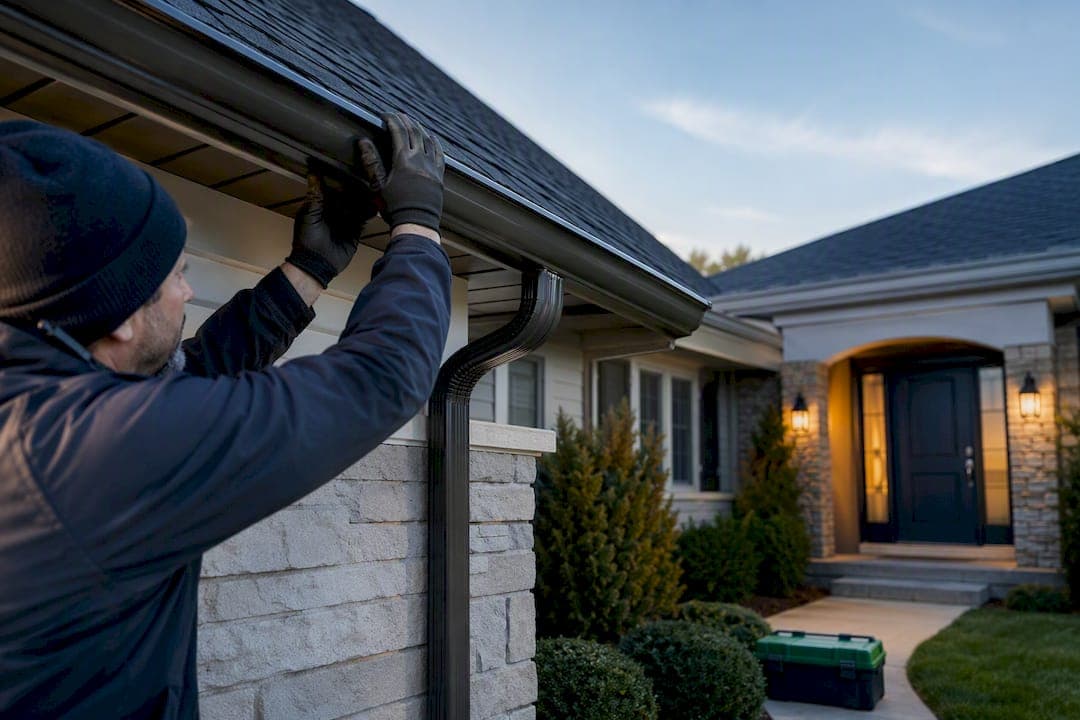
- Inspect the roof, flashing, and gutters. Look for lifted shingles, cracked flashing, and any gutter sections pulling away from the fascia. Clear debris and confirm downspouts push water away from the foundation.
- Book A/C service in March or April. This beats the summer rush and catches refrigerant or coil problems before the first heat wave. Clean or swap filters and rinse the condenser coils yourself in the meantime.
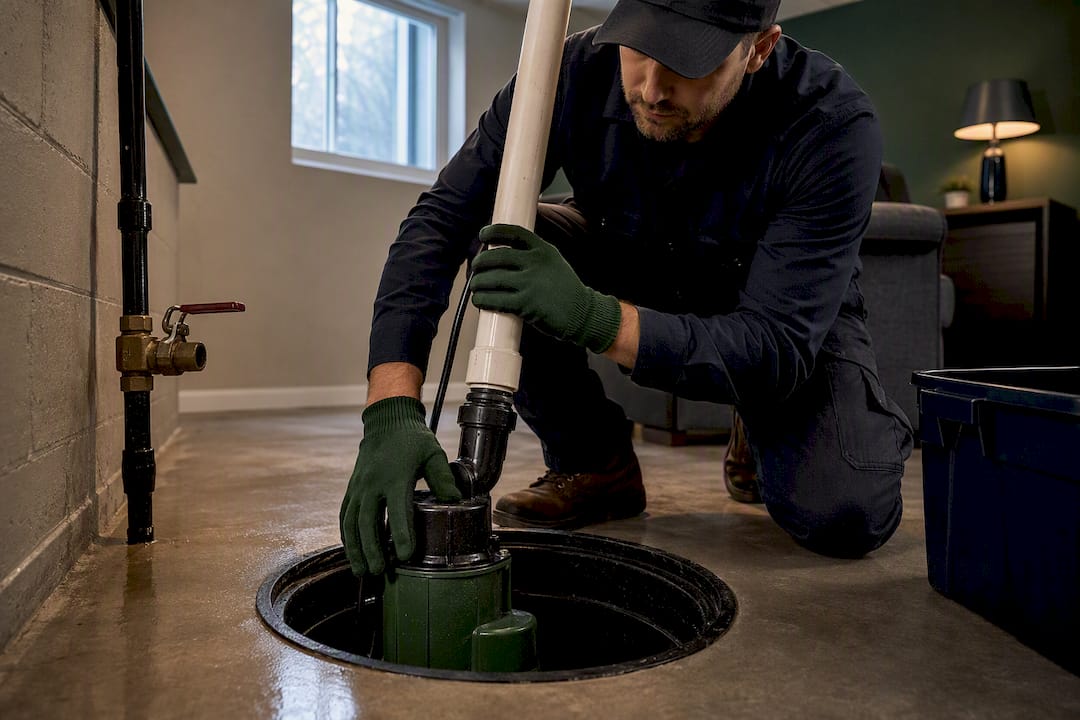
- Test the sump pump and check the basement for winter leaks. Pour a bucket of water into the pit to confirm the pump kicks on and drains properly.
- Clean the dryer vent and range hood filter. Lint buildup over winter reduces airflow and raises fire risk.
- Trim trees near the roofline, clear window wells, and repair cracked caulk or damaged siding before pollen season makes outdoor work miserable.
Pro Tip: Roof inspections above a single story, and anything involving gas lines or refrigerant, belong to a licensed pro. DIY the gutters and caulk; hire out the ladder work above 15 feet and anything with a compressor.
A dedicated sump pump maintenance schedule is worth bookmarking if your basement has flooded even once, since a pump that fails silently is one of the more common spring surprises.
Summer Checklist: Dry Weather Is for Exterior Work
Summer's low humidity and long daylight make it the best window for anything involving paint, stain, or a ladder. It's also when smaller mechanical checks are easiest to fit in.
- Check A/C performance on a hot afternoon; if it's running constantly without cooling the house, the filter or condensate line is likely clogged.
- Inspect the condensate drain line for algae buildup, a common cause of water stains near indoor air handlers.
- Seal or stain decks and fences, touch up exterior paint, and power wash siding on a low setting to avoid forcing water behind trim.
- Flush the water heater to clear sediment that reduces efficiency. The Department of Energy notes that insulating your water heater and pipes is one of the cheapest energy upgrades available, and summer flushing is the natural time to add a blanket while the tank is already drained.
- Test irrigation zones and timers, and fix any heads spraying the house instead of the lawn.
- Schedule roof replacement or large exterior repairs by mid-summer. Waiting until September puts you behind homeowners racing to finish before fall storms.
Fall Home Maintenance Checklist: The Season That Prevents Winter Disasters
Fall is where the real leverage sits. Skip this season and you're gambling on a mild winter, and pipes don't care about your optimism.
- Book furnace service in September or October, before the first cold snap sends every homeowner in the neighborhood calling at once.
- Schedule a chimney sweep in the same window. Wait until November and you'll likely be stuck on a waiting list through the coldest weeks.
- Clean gutters after the leaves have actually dropped, not before, then confirm downspouts drain away from the foundation and the soil still grades outward.
- Drain outdoor faucets, blow out irrigation lines, and install faucet covers. Reverse ceiling fans to push warm air back down from the ceiling.
- Seal gaps around windows and doors, replace worn weatherstripping, and test every smoke and CO detector while swapping in fresh batteries.
Pro Tip: Booking HVAC and chimney service four to eight weeks ahead of peak season avoids both the scheduling crunch and the premium rates that show up once emergency calls start flooding in. Home Depot's guidance backs this up: scheduling gutter cleaning and furnace service in early fall beats waiting until the first freeze warning.
Winter Home Checklist: Monitoring, Not Marathon Projects
Winter isn't the season for big projects. It's the season for watching for trouble and reacting fast when it shows up.
- Keep the thermostat at 55°F minimum if you're away, open cabinet doors under sinks on exterior walls, and let faucets drip on cold nights to prevent frozen pipes.
- Watch your roofline for ice dams; if you see icicles forming along the eaves, that's meltwater backing up under shingles. Clear gutters when it's safe to do so, and call a pro to remove heavy snow buildup rather than climbing up yourself.
- Test smoke and CO detectors monthly and keep indoor humidity in a reasonable range to reduce condensation on windows.
- After any major storm, walk the property, photograph new damage, and keep receipts for repairs. Insurers move faster on claims when you can show the timeline.
The Monthly and Quarterly Habit Loop That Prevents Most Failures
Seasonal checklists matter, but the small monthly habit does more heavy lifting than people expect. Homeowner guides consistently point to a short monthly "five" checklist as the routine that catches most problems before they become expensive.
- Test smoke and CO detectors.
- Check the HVAC filter and replace it if it's gray.
- Inspect under sinks and around the water heater for slow drips.
- Run water down any drain you haven't used in a month, so the trap doesn't dry out and let sewer gas in.
- Clean the range hood filter.
Quarterly, add GFCI outlet tests, a quick vacuum of registers and vents, and an inspection of the dryer vent duct itself, not just the lint trap. The whole monthly routine takes about 15 to 30 minutes and flags anything that needs a professional before it becomes a weekend emergency. Set recurring calendar reminders, and if a task keeps getting pushed, that's usually the sign to book a pro rather than keep rescheduling yourself.
Safety and High-Risk Items Worth Prioritizing
A handful of checks cover most of the expensive, dangerous failures a house can throw at you.
- Burst pipes and ice-dam water damage are among the costliest preventable losses homeowners face; catching a slow leak early beats discovering a soaked ceiling in January.
- CO detectors belong outside every sleeping area and on every level of the house; proper CO detector placement is key to maintaining home safety. The CDC recommends testing them monthly and knowing the early symptoms of CO exposure, since the gas itself gives no warning.
- Dryer vents cause thousands of house fires every year, and cleaning the full duct, not just the trap, cuts that risk significantly.
- Routine maintenance also affects how smoothly insurance claims go. The Insurance Information Institute's data on homeowners claims makes clear that documented upkeep and quick response to damage both matter when you're filing.
When to Book Pros and How to Prioritize the List
When two tasks compete for the same weekend, water problems win every time; a clogged gutter or failing sump pump causes more total dollar damage than almost anything else on this list. After that, the order runs HVAC, then the exterior envelope (roof, siding, caulk), then cosmetic projects last.
- HVAC: book March–April for A/C, September–October for furnace and chimney service.
- Plumbers for irrigation blowouts: line up September before the fall rush.
- Aim to book four to eight weeks ahead of peak season to dodge both the wait list and the emergency-rate markup.
- A shared dashboard that holds vendor contacts, service records, and reminders in one place removes the guesswork of "did we already call someone about this?"
Pro Tip: Big seasonal services get booked out fast once the first cold or hot snap hits. Set your reminder a full season early, not the week you actually need the appointment.
Seasonal Pest Control Measures
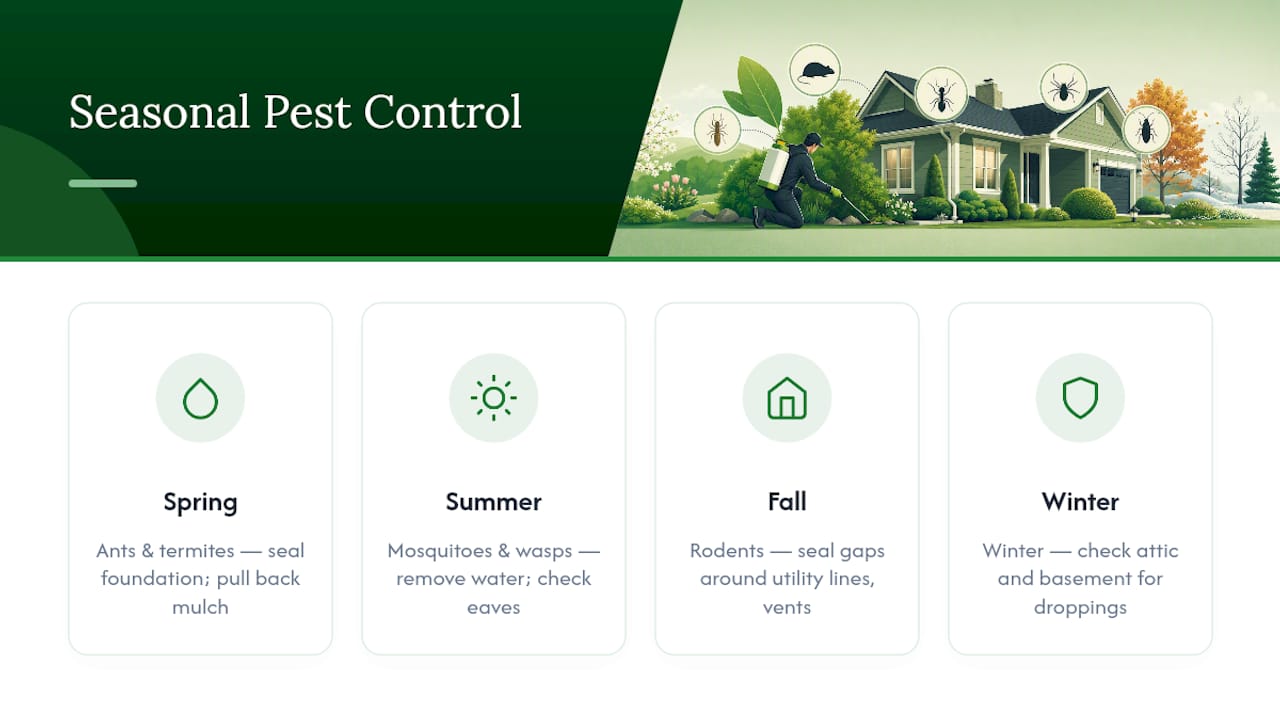
Pests follow the calendar as reliably as your HVAC does. Spring brings ants and termites swarming after rain; seal foundation cracks and keep mulch pulled back a few inches from siding, since damp mulch against wood is basically an invitation. Summer adds mosquitoes and wasps; empty standing water weekly and check eaves and soffits for new nests. Fall is when rodents start scouting for a winter home, so seal gaps around utility lines and vents before the weather turns, since a gap the size of a quarter is enough for a mouse. Winter drives everything indoors, which means your best defense was already the sealing you did in fall. Check the attic and basement periodically for droppings or chewed insulation regardless of season, since indoor infestations rarely announce themselves until they're established.
Landscaping and Yard Care by Season
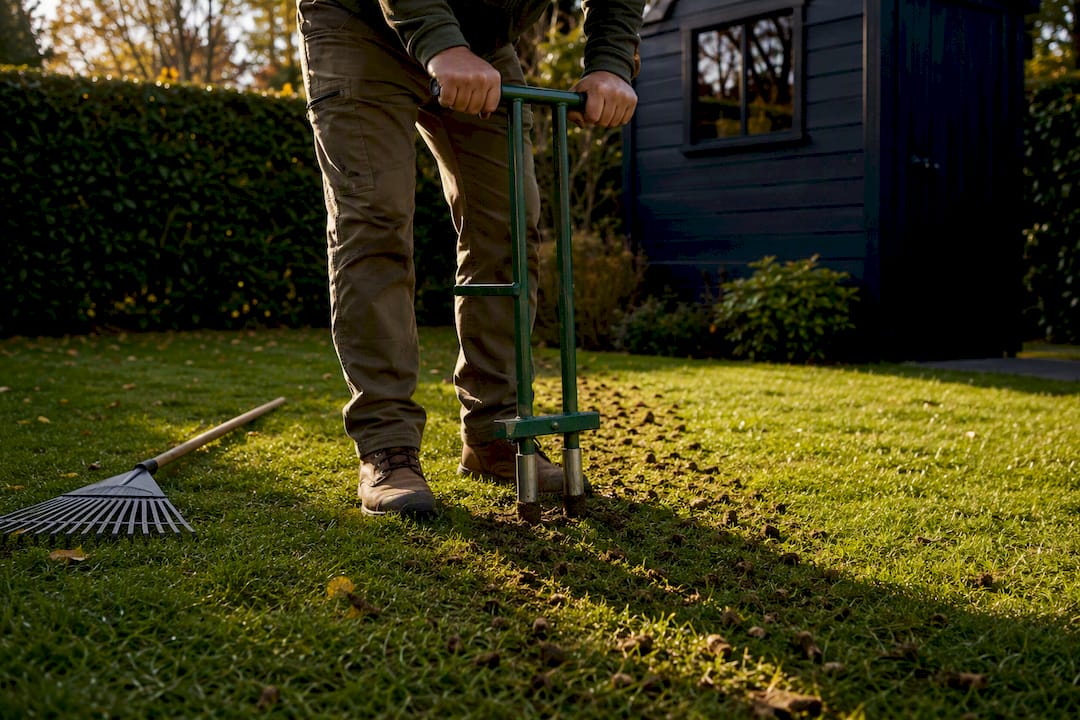
Spring calls for edging beds, dividing overgrown perennials, and applying pre-emergent before weeds germinate. Aerate the lawn if soil feels compacted, and get the first mow in once grass hits about three inches. Summer shifts to maintenance mode: deep, infrequent watering beats daily light watering for root depth, and raising your mower blade height helps grass shade its own roots during heat stress. Fall is the best time to seed cool-season lawns and fertilize before dormancy, plus rake leaves before they mat down and smother grass underneath. Winter yard care is mostly restraint: skip walking on frozen or waterlogged grass, and hold off on pruning most shrubs until late winter dormancy, right before spring growth starts.
Why Small Habits Beat Marathon Maintenance Weekends
The homeowners who avoid the big, ugly repair bills aren't the ones who grind through an eight-hour maintenance day twice a year. They're the ones who spend fifteen minutes a month checking filters and detectors, and who book their HVAC pro in September instead of during the first cold snap. The two items I see skipped most: dryer vent cleaning and keeping receipts for anything over a couple hundred dollars. Both feel optional until a fire marshal or an insurance adjuster asks about them.
— Francisco
Turning This Checklist Into Something You'll Actually Keep Up With
A checklist works right up until you lose track of which season you last did each task, or which contractor handled the gutter repair two years ago. That's the gap Mypropertycommandcenter is built for: a dashboard that holds your maintenance schedule, vendor contacts, and warranty documents in one place instead of scattered across email threads and photos on your phone.

It doesn't replace the contractors doing the actual furnace service or roof repair. It just makes sure you remember to book them on time, and that the next time a pipe leaks, you're not digging through old texts to find the plumber's number. If you're managing more than one property, or just tired of relying on memory for a house full of recurring tasks, check the Property Command Center plans and start the free trial to see whether a consolidated dashboard fits how you actually maintain your home.