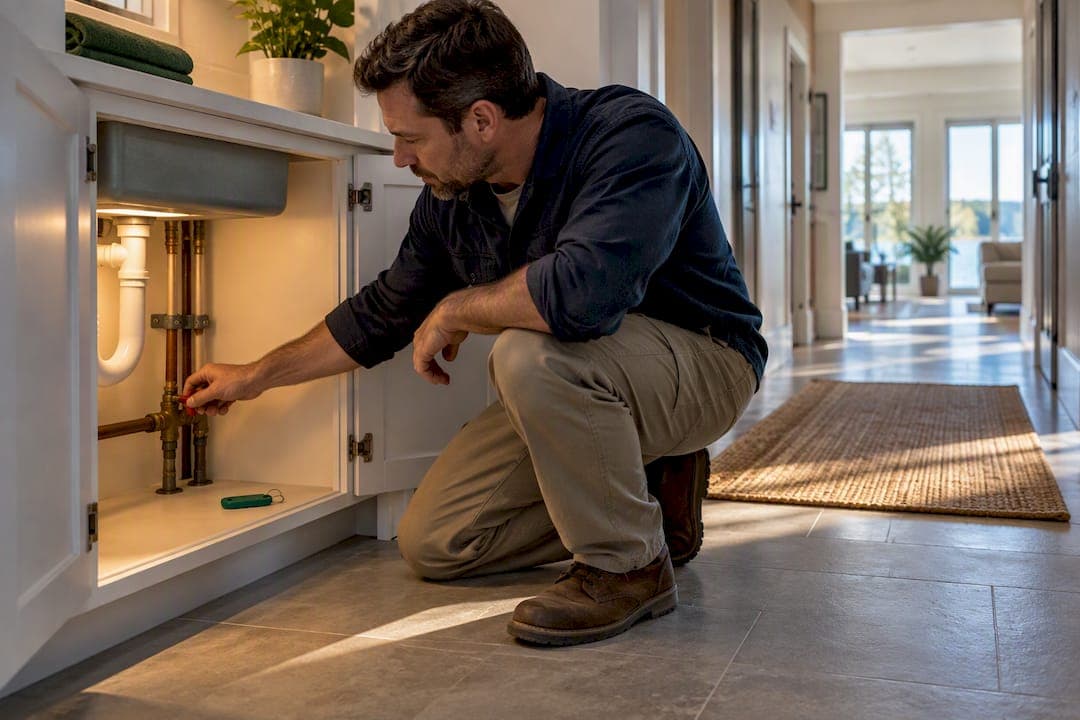
Most second-home disasters are preventable: set a written absence plan, name a local contact or service to check the property, and install leak and temperature monitoring before your next trip. Beyond that, second home management comes down to choosing one of three models (self-managed, concierge/watch service, or full property management) and building a routine around it. Get those three pieces right and you eliminate the surprises that cost owners the most money and sleep.
TL;DR:
- Regularly check water and temperature sensors near appliances and install automatic shutoff valves to prevent costly water damage in emergencies.
- Choose a management model based on how often you visit, enjoy coordinating repairs, and the number of properties, with full management favoring rental or multiple homes.
- Establish a clear, written emergency plan with local contacts, including authority to act and spending limits, and test it annually to ensure efficacy.
- Vet local service providers by confirming insurance, references, and response times, and build a trusted vendor list before emergencies occur to avoid inflated costs.
- Keep all property documents, vendor contacts, and maintenance schedules in a centralized dashboard to automate routine tasks and maintain oversight across multiple homes.
Table of Contents
- Which Second Home Management Model Fits You?
- Your Departure, Absence, and Return Checklist
- What Smart Tech Actually Reduces Risk
- How to Vet and Hire Local Service Providers
- Insurance and Financing Realities to Check Now
- How Property Command Center Turns Checklists Into Habits
- Emergency Response Planning and Protocols
- Budgeting for Second Home Management Expenses
- Legal Considerations and Local Regulations for Property Use
- Talking to Neighbors and Local Contacts While You're Away
- Security Measures Beyond Sensors
- A Multi-Property Owner's Rules of Thumb
- Try Property Command Center for Your Second Home
- Sources
- FAQ
Which Second Home Management Model Fits You?
The three models differ mainly in how much you touch personally. Self-management means you or a trusted local friend handle checks, vendor calls, and emergencies directly. A concierge or watch service checks the home on a schedule and flags issues, but doesn't run repairs or manage rentals. Full property management takes over most operations, especially when you rent the home out.
- Self-managed: best for owners within driving distance, visiting monthly or more, comfortable coordinating vendors themselves.
- Concierge/watch service: fits owners who travel far but don't rent, want eyes on the property every few weeks, and are willing to pay a flat fee per visit or a modest monthly retainer.
- Full property management: makes sense for rental properties or owners with three or more homes, typically priced as a percentage of rental income or a flat monthly rate.
Ask yourself three questions before choosing: How often can you realistically visit? How much hands-on coordination do you actually enjoy? And how many properties are you juggling? If the answer to the last one is "more than one," a self-managing rentals checklist can help you scope the workload honestly before you commit to a model.
Your Departure, Absence, and Return Checklist
Getting the sequence right matters more than doing every task perfectly. Here's the order that prevents the most common failures.
Before you leave:
- Shut off the main water supply if you'll be gone more than a few days, following the OnOtto vacation home maintenance checklist.
- Set the thermostat to a safe range, generally 50 to 55 degrees Fahrenheit in freeze climates, to protect pipes without wasting energy.
- Lock all entry points, confirm smart lock batteries are fresh, and test any door/window sensors.
- Photograph appliance settings, note utility account numbers, and log a quick inventory of valuables.
- Set timers on interior lights and confirm mail or package holds are active.
During the absence: Arrange a human check every 2 to 4 weeks at minimum, a cadence OnOtto's checklist recommends as the baseline for catching problems before they compound. Whoever checks the home should look for water stains, unusual odors, pest activity, and any alert history from smart sensors.
On return: Restore water pressure slowly, run each faucet to clear stagnant lines, test smoke and carbon monoxide detectors, and run major appliances through a cycle before trusting them unattended again.
Seasonal additions: Winterize exposed pipes and gutters before the first freeze; ahead of hurricane season, secure outdoor furniture and confirm sump pump function.
Pro Tip: Photograph and date-stamp every inspection, even the boring ones. Owners with a documented history of checks tend to get smoother insurance claim outcomes than those who can't prove regular oversight.
What Smart Tech Actually Reduces Risk
Not every gadget earns its price. A few devices consistently prevent the damage that costs owners the most: water leak sensors near appliances and water heaters, a smart thermostat with remote alerts, automatic water shutoff valves, smart locks for vendor access without key handoffs, and power-outage notifications tied to your phone.
Pairing sensors with a person is what actually stops damage. A leak sensor that pings you at 2 a.m. is useless if nobody can act on it, so tie each alert to a specific local contact or vendor who can respond within hours, not days.
- Leak sensors: $20 to $60 each, cheapest high-impact purchase you can make.
- Smart thermostat: $150 to $250 installed.
- Automatic shutoff valve: $300 to $600 installed.
- Whole-home monitoring bundle: $100 to $2,000+ depending on scope, per Shipshape's vacation prep guidance.
Buy leak sensors first, thermostat second, shutoff valve third if your budget allows. Keep appliance manuals and warranty documents in one place so whoever responds to an alert isn't hunting for a model number during a crisis.
How to Vet and Hire Local Service Providers
Ask direct questions before anyone touches your property: Are you insured and can you send proof? Can you provide two references from other second-home owners? What's your response time for a burst pipe versus a routine check? Will you send dated photos with every visit? What's your emergency escalation plan if you're unreachable?
Red flags worth walking away from:
- No proof of insurance, or hesitation to provide it.
- No references, or references that sound rehearsed.
- Vague reporting ("everything's fine") with no photos or timestamps.
- Refusal to sign even a simple scope-of-work agreement.
Pricing varies by region and task, but a quick pre-trip inspection often runs $50 to $100, while ongoing watch service tends to land in a monthly retainer or per-visit fee. Higher fees are usually justified when a vendor carries specialized licensing (HVAC, plumbing) or covers emergency response outside normal hours.
Your basic service agreement should spell out response time commitments, photo reporting on every visit, an escalation path for emergencies, and clear limits on what's included versus billed separately.
Pro Tip: Building a small, reliable vendor list before you need one saves money. Owners scrambling during an emergency almost always pay a premium; owners with a vetted contact list rarely do, according to NAR's guidance for second-home buyers.
Insurance and Financing Realities to Check Now
Homeowner policies often treat extended vacancies differently than primary residences, and many insurers add vacancy endorsements once a home sits empty for roughly 30 to 60 days, according to NAR's second-home buyer guidance. That single detail can determine whether a claim gets paid.
- Confirm your policy's exact vacancy language and whether it changes based on how often you visit.
- Ask if monitored water alarms or fire/burglar detectors are required for higher-value homes; many carriers now expect them.
- Expect higher deductibles on second homes than on a primary residence in many markets.
Financing carries its own constraints. Second-home mortgages typically require a larger down payment and stricter debt-to-income standards; some lenders also impose requirements on the property's distance from the primary residence and personal use, as explained in Point's breakdown of second-home mortgage requirements. If you're weighing whether to rent the property occasionally, check that intent against your loan terms first. Renting can reclassify the loan and change your insurance needs entirely.
How Property Command Center Turns Checklists Into Habits
A checklist works until you forget where you put it. Property Command Center gives owners a dashboard that holds maintenance schedules, a vendor contact directory, and a document vault for warranties, manuals, and insurance policies, so nothing lives in scattered emails or spreadsheets anymore.
A practical way to start is a 90-day rollout:
- Days 1 to 30: Inventory each home's systems, appliances, and existing vendor relationships.
- Days 31 to 60: Add vendor contacts, upload manuals and insurance documents, and set recurring maintenance tasks.
- Days 61 to 90: Establish your inspection cadence and test the full return checklist after a short trip.
This mirrors the 90-day onboarding approach described in Property Command Center's setup guide for multi-home owners, which treats ownership as preventive rather than reactive. In practice, that means pre-departure tasks trigger automatically, vendor handoffs come with photo reporting attached, and every visit builds a dated task history you can hand an insurer or a new caretaker without digging through old texts.
Emergency Response Planning and Protocols
An emergency plan only works if it exists before the emergency, written down and shared with everyone who might need it. Start with a one-page document listing your local contact's phone number, a backup contact, your insurance agent's number, and the nearest emergency shutoff locations for water, gas, and electricity.
Rank your risks by what's actually likely where the home sits. Freeze climates need a burst-pipe protocol; coastal properties need a storm protocol; wildfire zones need an evacuation and defensible-space checklist. Each protocol should specify who gets called first, what they're authorized to do without waiting on you (calling a plumber versus waiting for your approval), and a spending limit above which they must reach you before acting.
Keep a printed copy of this plan inside the home itself, not just on your phone, since a power or connectivity outage is often part of the emergency. Give your local contact or vendor explicit authority in writing to enter the property and make decisions up to a set dollar amount. That single detail removes the most common bottleneck in real emergencies: a caretaker who spots the problem but can't act because nobody gave them permission.
Finally, test the plan once a year the way you'd test a smoke detector. Call your emergency contact, confirm they still have current access codes, and verify your insurance policy number hasn't changed. A plan nobody has looked at in three years is barely better than no plan.
Budgeting for Second Home Management Expenses
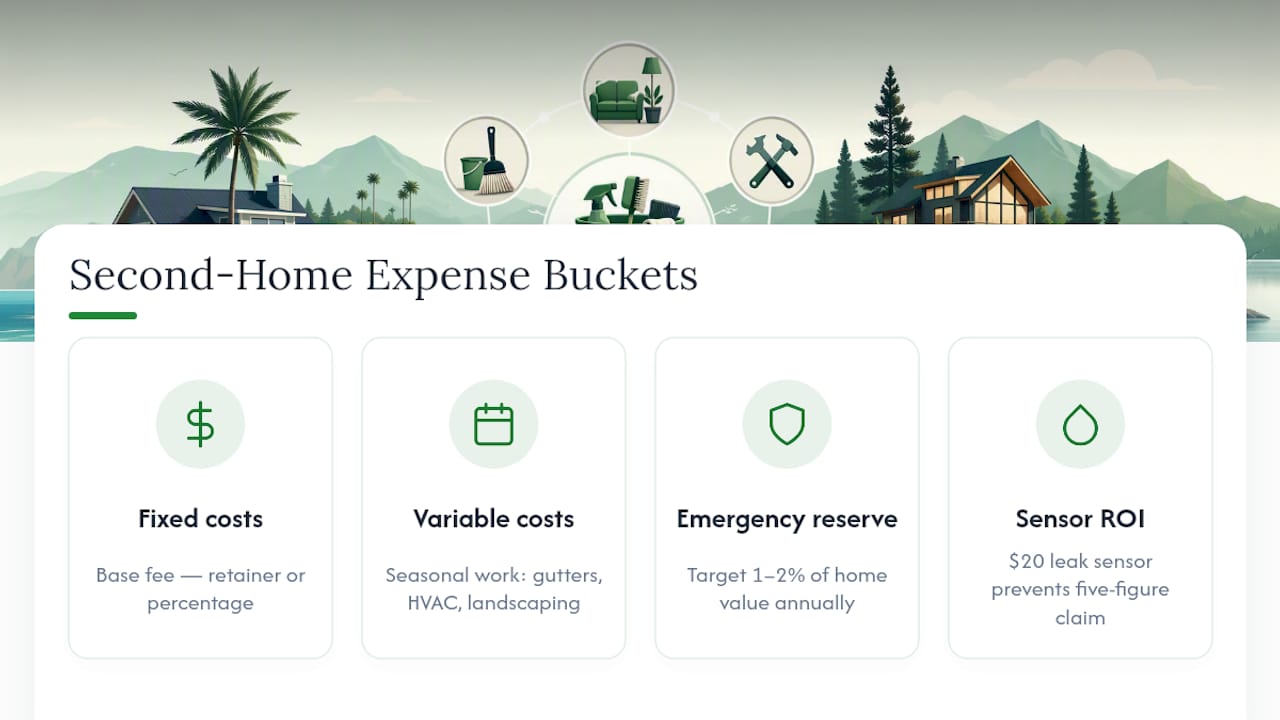
Second home costs split into three buckets: fixed, variable, and emergency reserve, and most owners underbudget the third one. Fixed costs include your management model's base fee, whether that's a monthly concierge retainer or a percentage-based property management arrangement. Variable costs cover seasonal work like gutter cleaning, HVAC servicing, and landscaping, which fluctuate by region and time of year.
The reserve fund is where budgets usually fail. A burst pipe, a failed water heater, or storm damage doesn't wait for a convenient billing cycle. A reasonable target is setting aside 1% to 2% of the home's value annually for unplanned repairs, on top of routine maintenance spending.
Smart-tech investment pays for itself here. A $20 leak sensor that catches a slow leak early can prevent a five-figure water damage claim, which is a better return than almost any other line item in a second-home budget.
Track spending in one place rather than across bank statements and paper receipts. Owners who can see total annual cost per property, not just per repair, make better decisions about when a concierge service is cheaper than a full property manager, or when it's time to raise the emergency reserve. If you own more than one property, comparing cost per home side by side also reveals which one is quietly draining more money than it should.
Review your budget annually against actual spend, not against last year's estimate. Costs for labor and materials shift, and a budget built two years ago is often already outdated.
Legal Considerations and Local Regulations for Property Use
Local rules can override your personal plans for the property faster than almost anything else on this list. Zoning ordinances, HOA covenants, and short-term rental regulations vary enormously by city and county, and many owners discover the restrictions only after buying.
If there's any chance you'll rent the home, even occasionally, check HOA and municipal rules before you list it anywhere. Rental intent can reclassify your mortgage and change your insurance requirements, according to guidance on buying a second home. Some municipalities cap the number of rental days per year, require a separate rental license, or ban short-term rentals in certain zones entirely.
HOA rules deserve a close read even if you never plan to rent. Many associations restrict exterior changes, limit how long a home can sit vacant without notification, and set rules about parking, landscaping, and even holiday decorations that carry real fines for violations.
Property tax treatment for second homes also differs from your primary residence in most jurisdictions, often losing the homestead exemption you might be used to. Check with your local assessor's office directly rather than assuming your primary-residence tax rules carry over.
If you're unsure how local ordinances apply to your specific situation, a short consultation with a local real estate attorney is usually worth the cost before you commit to a rental strategy or major renovation.
Talking to Neighbors and Local Contacts While You're Away
A good neighbor is often your cheapest and fastest early-warning system. Before your next extended absence, introduce yourself if you haven't already, exchange phone numbers, and let them know roughly when you'll be gone. Most neighbors are glad to keep an eye out, especially if you return the favor.
Give your neighbor or local contact something specific to watch for rather than a vague "check on the house" request. Ask them to note unusual vehicles, doors or windows that look open, mail piling up, or anything that looks different from your last visit. Specific instructions get specific results.
Set expectations upfront about what they should do if something looks wrong. Should they call you first, call your local vendor or watch service, or call emergency services directly? Write it down and share it with them the same way you would with a paid contact.
Consider a small thank-you gesture each year, whether that's a gift card or simply covering their time if you ask them to do more than a casual glance. A neighbor who feels appreciated stays engaged; one who feels used stops answering your calls.
If your area has an active neighborhood watch group or a community social app, join it even from a distance. These groups often share real-time alerts about suspicious activity, package theft, or storm damage faster than any sensor system, because they're already watching the block every day.
Security Measures Beyond Sensors
Sensors catch leaks and temperature swings, but physical security against intrusion still comes down to basics: locks, visibility, and the appearance of occupancy. Start with the locks themselves. Smart locks let you grant vendors temporary access codes without handing out physical keys, and you can revoke access instantly after a job is done.
Exterior lighting on motion sensors deters casual break-in attempts more effectively than most people expect, especially paired with visible camera housings at entry points. Cameras don't need to be elaborate; a doorbell camera and one or two covering side or rear entrances cover most risk for a typical single-family second home.
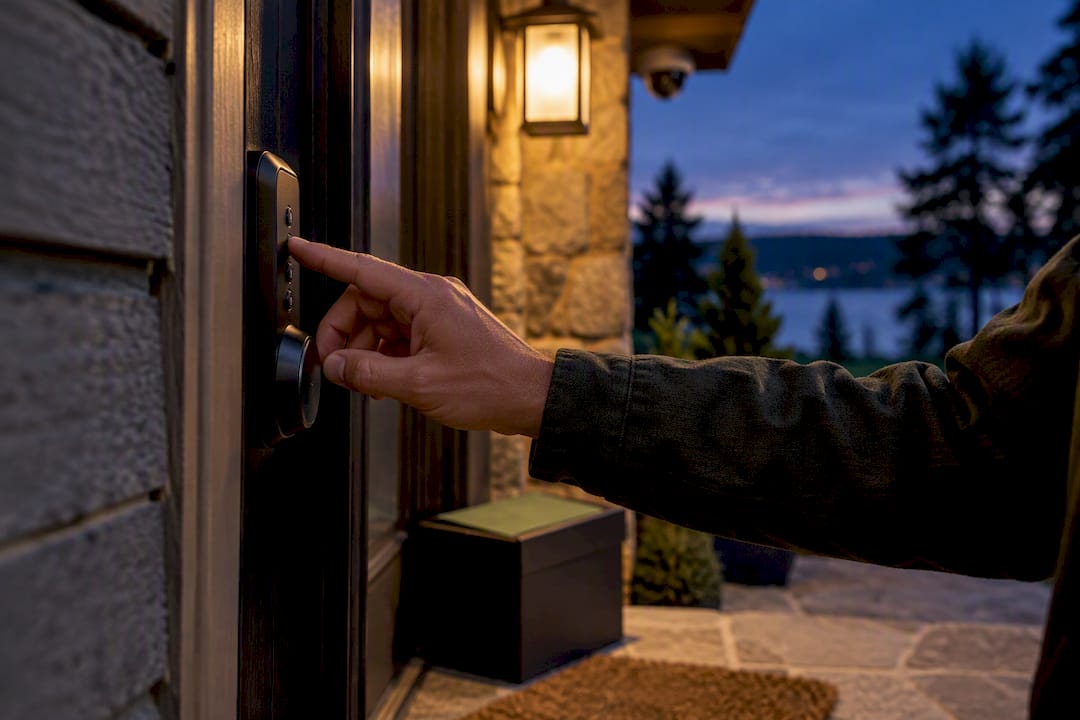
Create the appearance of occupancy even when the home is empty for weeks. Smart plugs on lights and a radio on a timer do more for deterrence than an empty, dark house that screams vacancy to anyone watching the block. Avoid obvious tells like overflowing mailboxes or untouched newspapers, and ask your local contact or vendor to clear these during routine checks.
Beyond the home itself, a functioning neighborhood watch or an informal network of nearby second-home owners adds a layer sensors can't replicate: someone who notices a stranger's car parked too long. For a vendor-neutral look at how maintenance apps fit into broader security workflows, BRCKS's guide to residential maintenance apps covers how tracking tools intersect with physical oversight, useful if you're deciding what to centralize versus what to leave with a local team.
A Multi-Property Owner's Rules of Thumb
Three things separate owners who sleep well from owners who don't. First, check frequency matters more than check quality. A rushed weekly glance beats a thorough monthly one. Second, spend on prevention, not repair. A $40 sensor is always cheaper than the damage it prevents. Third, cultivate a small, reliable vendor list before you need one; scrambling during an emergency is where owners overpay.
A workable 90-day setup looks like this: inventory systems in month one, onboard vendors and documents in month two, test your full cadence in month three. For deeper checklists on specific systems, the vacation home checklist covers scenarios this overview can't fully unpack.
— Francisco
Try Property Command Center for Your Second Home
If you're managing one property or five, the setup above works better with a dashboard behind it instead of a stack of spreadsheets. A dashboard-based property management solution offers plans suited to owners managing multiple homes with needs like organized reminders and document storage. A higher-tier plan scales for owners managing more properties, vendors, and tasks throughout the year.
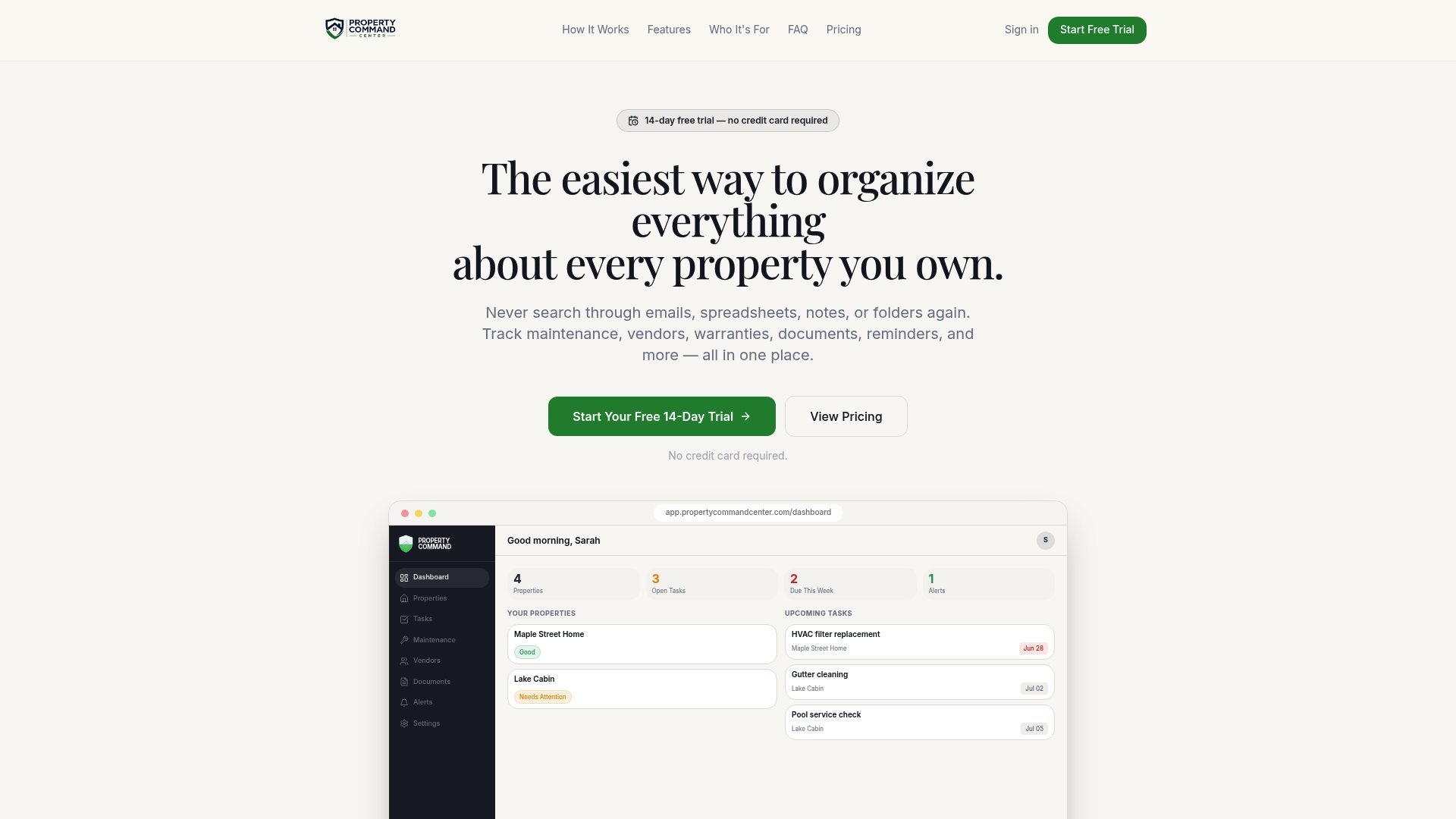
Both plans center on the same idea: one place for maintenance schedules, vendor contacts, and warranty documents, instead of five different apps and a shoebox of paperwork. Check the pricing page to compare Starter and Pro side by side, or browse the vendor directory if you're still building your local contact list. Start with a free trial, run your first 90-day setup on one property, and invite your trusted local contact to see the dashboard before your next trip.
Sources
- Second-home mortgage requirements (Point)
- 6 considerations for second-home buyers (NAR)
- Vacation home maintenance checklist (OnOtto)
- Vacation home preparation & automation (Shipshape)
FAQ
How Do I Manage a Second Home From Far Away?
Set an absence plan, install leak and temperature sensors, and either name a trusted local contact or hire a watch service to check the property every 2 to 4 weeks, following the cadence OnOtto recommends. Centralizing tasks and vendor contacts in one place, such as Property Command Center's dashboard, keeps the routine consistent even when you're managing more than one property.
What Are Red Flags When Hiring a Property Manager or Watch Service?
Walk away from any vendor who can't produce proof of insurance, has no verifiable references, or gives vague reporting without photos or timestamps. Refusal to sign even a basic scope-of-work agreement is one of the clearest warning signs, according to NAR's guidance for second-home buyers.
Is It Hard to Get a Loan for a Second Home?
It's harder than financing a primary residence but not unusual. Lenders typically require a larger down payment, commonly 10% to 20% or more, stricter debt-to-income ratios, and sometimes a rule that the home sit more than 50 miles from your primary residence for personal use, per Point's second-home mortgage guidance.
How Much Do Property Managers Charge Per House?
Pricing varies by service and region: a quick pre-trip inspection often runs $50 to $100, while ongoing watch service or full property management is typically billed as a flat monthly retainer or a percentage of rental income when the home is rented. Full-service management costs more but often justifies the fee for owners renting the property or managing several homes at once.
What Does Property Command Center Cost?
There are different subscription plans available, including options with free trials, detailed information and current prices are on the provider's pricing page. Current details and plan comparisons are available on the pricing page.