
Check five categories every time: room-by-room condition, safety devices, inventory against your baseline, and photo documentation of anything unusual. Run a fast remote photo check after every guest turnover, then a full in-person walkthrough monthly or quarterly. That rhythm catches damage early, keeps your property guest-ready, and gives you the paper trail you need for a damage claim or a county inspection.
TL;DR:
- Regular, consistent inspections with standardized checklists help prevent recurring damage and ensure compliance with safety and habitability standards.
- Visual and smell checks for cleanliness, pest signs, and maintenance issues should occur after every guest stay, using clear photo documentation.
- Inventory tracking with photos, condition notes, and specific replacement rules minimizes disputes during damage claims and insurance processes.
- Testing safety devices, plumbing, electrical systems, and furniture function must happen monthly or quarterly, not just during the initial setup.
- Using public county templates and digital management platforms improves inspection accuracy, reduces paperwork, and maintains compliance across multiple properties.
Table of Contents
- Room-by-Room Vacation Rental Inspection Checklist
- Are Your Smoke Detectors and Fire Extinguishers Actually Working?
- How Do You Know If a Cleaning Actually Passed?
- What Should Your Inventory Checklist Track for Damage Claims?
- How Often Should You Actually Inspect a Vacation Rental?
- Is Your HVAC, Plumbing, and Electrical System Actually Guest-Ready?
- How Do You Judge Whether Furniture and Appliances Are Still Usable?
- What Are the Warning Signs of a Pest Problem?
- How Do You Confirm Your Rental Meets Local Regulations?
- What Should You Check on the Exterior and Landscaping?
- Where to Find Ready-to-Use Inspection Templates
- What Most Owners Get Wrong About Inspections
- Keep Every Inspection, Vendor, and Photo in One Place
- Sources
Room-by-Room Vacation Rental Inspection Checklist
A vacation rental inspection checklist only works if you move through the property in the same order every time. Randomly checking whatever catches your eye guarantees you'll miss something, usually the same something, over and over. Walk the property the way a guest would: outside in, then room by room.
Exterior and entry. Confirm the address is visible from the street (a surprisingly common failure point on county inspections), check walkway surfaces for cracks or trip hazards, test exterior lighting, and verify all locks and keypads function. Outdoor furniture should be stable and free of rust or splinters that could cut a guest's hand.
Kitchen. Run every major appliance through a full cycle, not just a power-on check. Look under the sink and behind the refrigerator for pest droppings or moisture. Count cookware and small appliances against your inventory sheet, since these items disappear or break more often than owners expect.
Bathrooms. Check drains for slow flow, inspect tile and grout lines for mold, confirm the exhaust fan actually vents (not just spins), and restock toiletries. Bath mats and grab bars matter more here than almost any other room, since bathroom falls are a leading cause of guest injury claims.
Bedrooms. Inspect mattress condition, count linens and pillows against your set number, confirm a working smoke detector is mounted in or near the room, and check closet hangers and shelf hardware.
Living areas. Test remote controls and streaming logins, check furniture for wobble or loose joints, open and close every window and door, and confirm the HVAC unit responds to the thermostat within a few minutes.
Amenities. Pools and hot tubs need chemical balance checks and a visible safety sign; grills need a propane or gas line check; garages and parking areas need a quick scan for stored hazards.
Pro Tip: Keep a laminated copy of your room-by-room list in a kitchen drawer. Cleaners and backup vendors use it far more consistently than a checklist buried in an app they have to open first.
Are Your Smoke Detectors and Fire Extinguishers Actually Working?
Life-safety items are the ones that get owners fined, sued, or shut down, and they're also the easiest to check quickly. This is the section where a vacation rental inspection checklist stops being about tidiness and starts being about liability.
- Test every smoke and carbon monoxide alarm, and log the battery or service date on your checklist, not just in your head.
- Locate every fire extinguisher, confirm the gauge shows charged, and make sure nothing blocks access to it.
- Check bedroom egress: a window or door that opens fully, without furniture or clutter in the way.
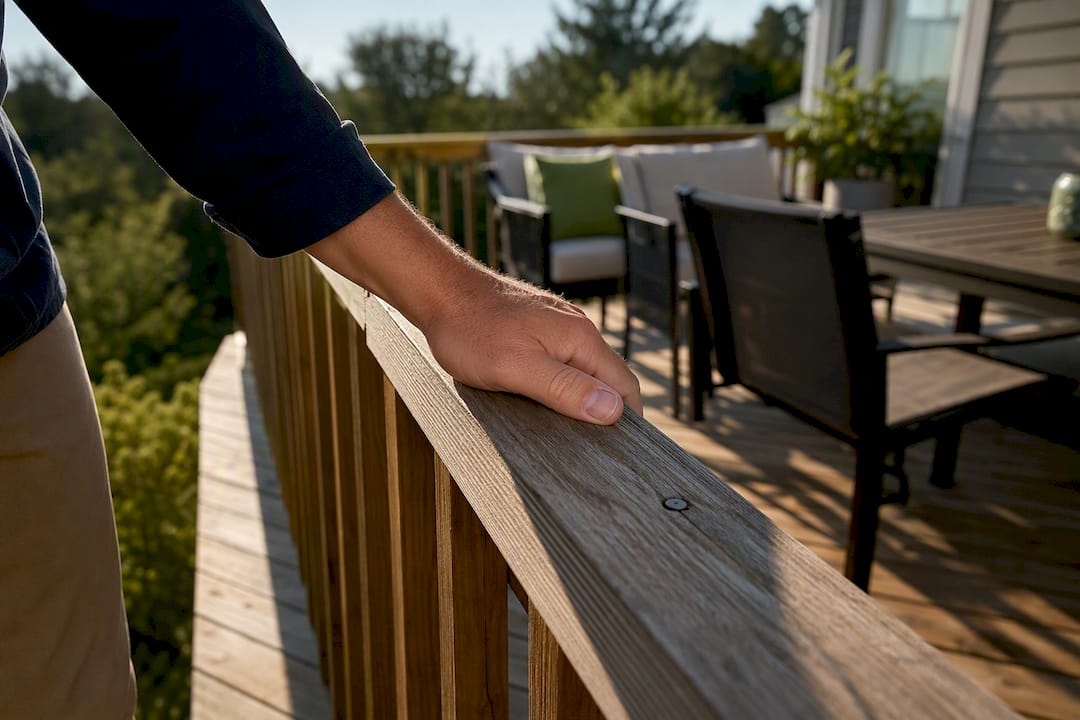
- Inspect stairs and handrails, since loose railings are one of the most common items flagged on government inspection forms.
- Post the property address and emergency contact numbers somewhere visible, and photograph that posting as proof.
County programs like the Boulder County short-term rental inspection checklist list exactly these items because inspectors check them on arrival. The Monterey County vacation rental checklist goes further, specifying minimum bedroom dimensions and escape openings, similar to what Pismo Beach's inspector checklist requires for sleeping-area rescue access. Modeling your own checklist on these public forms, even if your jurisdiction's exact rules differ, gives you a defensible standard to point to.
How Do You Know If a Cleaning Actually Passed?
Walk in and smell before you look. A property that smells like bleach masking something else, or like nothing at all when it should smell faintly clean, tells you more in five seconds than a visual scan does in five minutes.
- Enter and smell first, then move room by room checking high-touch points: light switches, remote controls, faucet handles, and doorknobs.
- Apply pass/fail standards. Kitchens fail if the stovetop has grease residue or the sink has standing water. Bathrooms fail if there's hair in the drain or soap scum on glass. Linens fail if there's any visible stain, no exceptions.
- Photograph the standard shots every time: countertops, toilet base, shower floor, and under the bed, filed into a folder named by booking date so you can match a complaint to a specific cleaning.
- Send it back if it fails. A recleaning costs less than a one-star review.
Grout lines, HVAC vents, oven interiors, behind toilets, and under furniture are the five spots cleaners skip most consistently, according to industry inspection templates built specifically to catch these misses.
Pro Tip: Text your cleaner the same four photo requests every time. Cleaners who know exactly what you'll check tend to stop leaving those spots dirty within two or three turnovers.
What Should Your Inventory Checklist Track for Damage Claims?
Split your inventory into two lists, because permanent items and consumables need different handling. Furniture, electronics, and appliances get tracked with condition notes and serial numbers. Towels, sheets, coffee pods, and toiletries get tracked by count and restocking threshold.
- Photograph every permanent item at move-in and keep the receipt or purchase record in a dated folder, ideally in cloud storage rather than on a single phone.
- Set a restocking rule: replace consumables every turnover, but replace furniture only after a documented pattern of wear, not a single scuff.
- Note replacement thresholds differently for small-value items (a $15 lamp, just replace it) versus high-value items (a $2,000 sofa needs photos and a repair quote before replacement).
- Keep this list short enough that a cleaner can complete a room's page in under five minutes; a one-page, per-room inventory gets used, while a long paragraph-style list gets ignored.
Documented inventory with dated photos is exactly what platforms like Airbnb's AirCover, and most homeowner insurance policies, ask for when you file a damage claim. Without it, you're arguing your word against a guest's.
How Often Should You Actually Inspect a Vacation Rental?
Two layers of inspection catch two different kinds of problems, and skipping either one leaves a gap.
- Per-turnover remote verification. Require your cleaner to send photos of the standard shot list after every checkout. Red flags: a missing item, an unreported stain, or a photo that looks staged rather than current.
- Monthly or quarterly in-person audits. A camera catches visible mess, but it misses smell, grout integrity, mattress firmness, and subtle surface wear. That's why an in-person audit layer matters even when your remote photos look clean every time.
- Escalate failures on a schedule, not a whim. Document the issue with photos, brief the cleaner directly, move to formal probation if it repeats, and replace the vendor if standards still slip.
Keep the remote review fast, just a few minutes flipping through photos, and reserve the deeper hour-long walkthrough for the monthly visit. Pro Tip: Block the in-person audit on your calendar as a recurring event the same day every month. If it's not scheduled, it becomes the first thing that slides when you're busy.
Is Your HVAC, Plumbing, and Electrical System Actually Guest-Ready?
Guests notice a broken air conditioner within the first hour, and it's usually the fastest way to earn a bad review. Test the HVAC system by setting the thermostat five degrees off ambient temperature and confirming it responds within a few minutes, not just that the unit hums on.
For plumbing, run every faucet and flush every toilet, checking for slow drains, running toilets, or water pressure that drops when two fixtures run at once. Look under every sink for slow leaks, since a small drip left unnoticed for a month can warp cabinet flooring and create a mold problem. Check the water heater's temperature setting; anything above 120 degrees Fahrenheit risks scalding, especially for families with children.
Electrical checks matter more than most owners realize. Test every outlet with a simple plug-in tester, especially in bathrooms and kitchens where GFCI outlets are required. Flip every light switch and replace any bulb that's flickering or dim, since a guest will report a "broken light" even when it's just a bulb. Check that the electrical panel is accessible and labeled, and confirm no extension cords are running permanently under rugs or through doorways, which is both a fire hazard and a common county inspection failure.
If your property uses a mini-split system or a tankless water heater, test those separately since they fail differently than standard central units. A preventive maintenance routine scheduled around these systems catches small issues before they become an emergency repair during a guest's stay.
How Do You Judge Whether Furniture and Appliances Are Still Usable?
Wobble, stain, and function are the three tests, applied in that order. Sit in every chair and on every sofa cushion, checking for loose joints or springs poking through fabric. A stain you can't remove after two cleaning attempts means the piece needs replacing, not just another round of upholstery cleaner.
For appliances, "turns on" is not the same as "works correctly." Run the dishwasher through a full cycle and check that dishes actually come out clean, not just wet. Test the oven at a specific temperature with an oven thermometer, since a unit reading 350 when it's actually running at 300 will ruin a guest's dinner and generate a complaint you can't easily explain. Check that the refrigerator maintains temperature by leaving a thermometer inside overnight rather than trusting the digital display.
Mattresses deserve their own scrutiny. Press down on the surface and check for sagging in the center, and flip or rotate mattresses on a schedule rather than waiting for a complaint. A mattress that's fine for six months of light use can develop a body indentation fast under weekly guest turnover.
Set a simple rule for your own sanity: if a repair costs more than half of a replacement, replace it. Documenting furniture and appliance condition with dated photos also strengthens any insurance or security deposit claim later, since "it was already worn" is a much weaker argument without a photo showing the item was new eighteen months ago.
What Are the Warning Signs of a Pest Problem?
Small evidence early beats an obvious infestation later, and pests leave signs long before you see the animal itself. Check under the sink, behind the refrigerator, and in pantry corners for droppings, which look like small dark grains and are often the first sign of a rodent problem. Check inside cabinet corners and along baseboards for the same thing.
Ants tend to show up along kitchen counters and near any sugar or crumb source, and a trail of ants moving in a line usually means a nest nearby, not just a random visitor. Check window sills and door frames for small piles of what looks like sawdust, which can indicate wood-boring insects rather than simple dust buildup.
Cockroach evidence often appears first as a smell, a faint musty odor near the stove or under appliances, before you ever see one. Check appliance undersides with a flashlight, since roaches favor the warm, dark space under a refrigerator motor or dishwasher.
Bed bugs are the pest guests report fastest and complain about loudest. Check mattress seams, headboard joints, and the space where the box spring meets the frame for small dark spots or shed skins. A single confirmed sighting warrants professional treatment before the next guest arrives, not a wait-and-see approach.
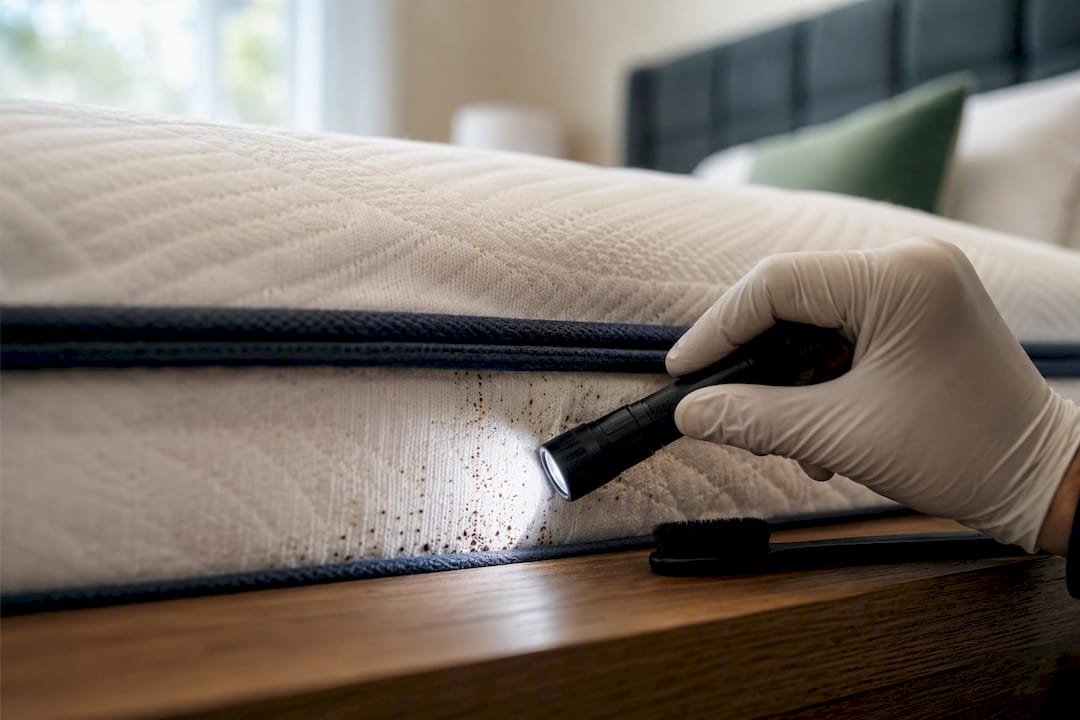
If you're ever uncertain whether discoloration near a vent or under a sink is pest-related moisture damage or something else, a professional environmental inspection can rule out mold or air quality issues at the same visit.
How Do You Confirm Your Rental Meets Local Regulations?
Start with your county or city's own published checklist rather than a generic template, since local requirements vary more than most owners expect. Search your municipality's short-term rental or vacation rental permit page directly; many, like Boulder County and Monterey County, publish the exact form their inspectors use.
Confirm your permit or license number is current and displayed if your jurisdiction requires it, and check whether occupancy limits are posted inside the unit, since inspectors frequently cite properties for missing occupancy signage even when the actual guest count is compliant. Verify parking requirements match what's listed on your permit, since a property advertised for eight guests but permitted for six parking spaces is a common mismatch that draws complaints from neighbors.
Check whether your local rules require a local contact person available within a set response time, commonly 30 to 60 minutes in many jurisdictions, and confirm that contact information is both posted in the unit and filed with your permitting office. Review your egress and smoke detector requirements against your county's specific checklist rather than a national standard, since bedroom count limits tied to egress width vary by jurisdiction. A property that's compliant in one county isn't automatically compliant in the next one over, even a few miles away. For a deeper regulatory walkthrough beyond the safety basics covered here, a dedicated short-term rental compliance guide is worth reading before your next renewal.
What Should You Check on the Exterior and Landscaping?
Guests judge a property before they touch the front door, so exterior condition sets expectations that the rest of the inspection needs to meet. Check the lawn and any landscaped beds for overgrowth, dead plants, or trip hazards from exposed roots or irrigation lines.
Inspect the driveway and walkways for cracks, ice buildup in winter climates, or standing water after rain that suggests a drainage problem. Check fencing and gate latches, especially around pools, since a broken pool gate latch is both a safety liability and a common inspection failure. Confirm exterior trash and recycling bins are accessible, labeled, and not overflowing, since guests routinely complain when they can't figure out where to put garbage.
Check outdoor lighting fixtures for burned-out bulbs and confirm any motion-sensor lights actually trigger, since a dark walkway at night is both a guest complaint and a liability risk. If your property has a deck or patio, check for loose boards, protruding nails, and railing stability, since decks age faster than most owners expect and rot can hide beneath a fresh coat of paint.
Where to Find Ready-to-Use Inspection Templates
You don't need to build a checklist from scratch. Public county forms and industry templates give you a strong starting structure you can adapt to your specific unit type.
- The Monterey County vacation rental checklist and Boulder County short-term rental checklist are strong models for life-safety and habitability items.
- The SafetyCulture vacation rental template covers 37 items across seven categories and is built for a 30 to 45 minute completion window.
- The STR Specialist Airbnb inspection checklist is a solid free download for the remote-plus-audit workflow.
Adapt any of these by removing items that don't apply to your unit (a condo doesn't need a pool section) and adding anything your specific county requires. Store completed checklists and photos in dated folders you can retrieve within a year, since insurance and platform claims often require records well after the stay.
What Most Owners Get Wrong About Inspections
Most owners treat inspection as an event instead of a rhythm, which is exactly why standards slip. A one-time deep clean and inspection at listing launch feels thorough, but three months later nobody's checking grout or testing the smoke detectors, and the property drifts.
The fix isn't more effort, it's more consistency. A laminated one-page checklist that a cleaner actually uses beats a 40-item app nobody opens. Photo templates and a shared cloud folder save more time than any single inspection trick, because they turn documentation into a habit instead of a chore. Centralizing schedules, vendor backups, and checklist templates in one dashboard is what actually prevents the missed inspection, not a better checklist alone.
— Francisco
Keep Every Inspection, Vendor, and Photo in One Place
Juggling a laminated checklist, a phone full of cleaning photos, a spreadsheet of vendor numbers, and a folder of warranty PDFs works fine for one property. It falls apart fast once you're managing three or five. Mypropertycommandcenter centralizes exactly what this guide just walked you through: inspection checklist templates, a vendor directory for cleaners and repair contacts, maintenance schedules with reminders, and a document vault for your inventory receipts and photo baselines.
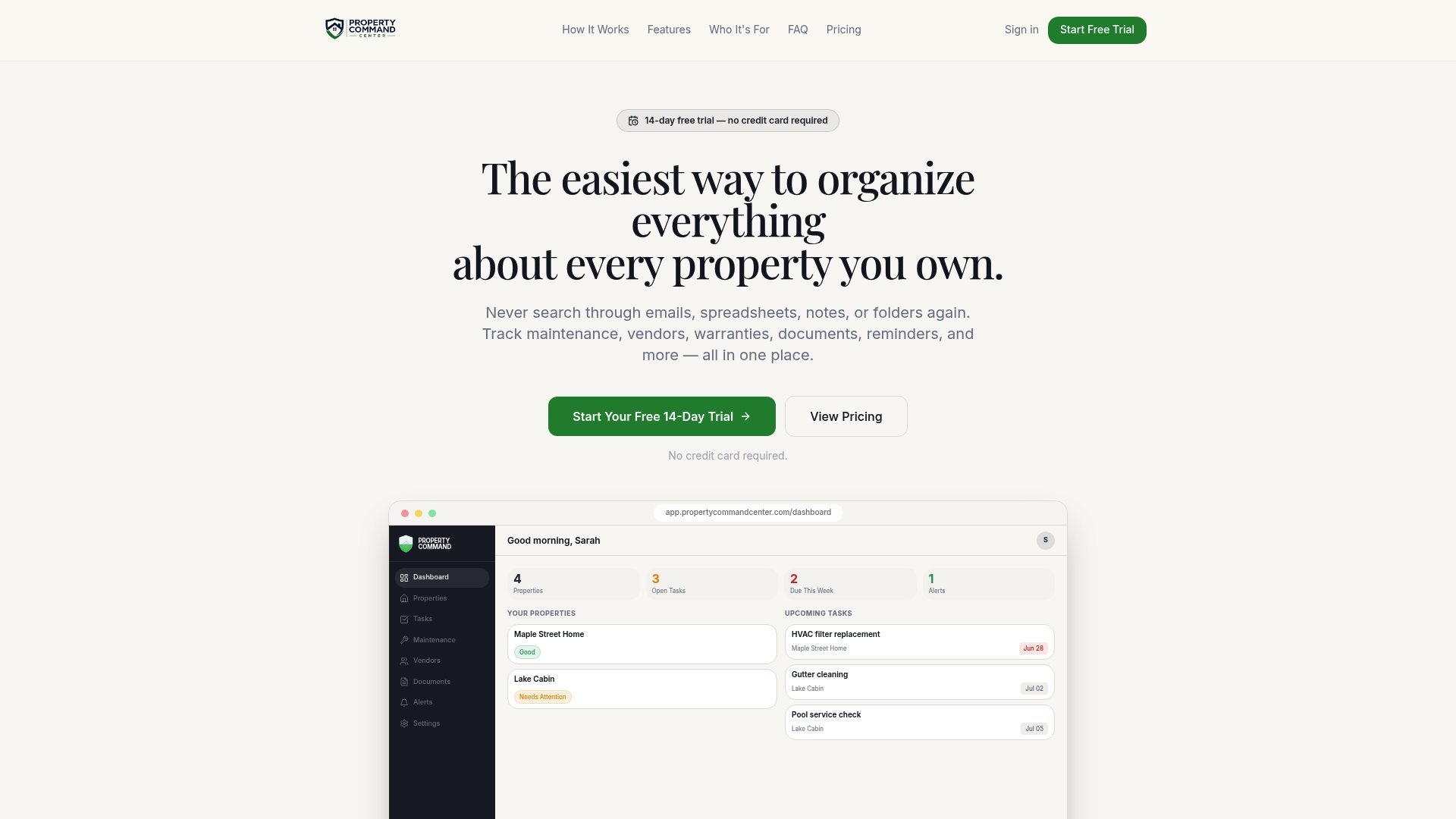
It's built for owners and families managing multiple vacation or short-term rentals who want less paperwork and fewer missed turnovers, not property management companies running dozens of units. Every property gets its own dashboard, so a monthly audit or a cleaner's photo submission never gets buried in an email thread. Check the pricing plans and start a free trial, no credit card required, to see whether your next inspection cycle runs itself.
Sources
- Vacation Rental Home Inspection Checklist
- Short-Term and Vacation Rental Inspection Checklist
- Free Airbnb Property Inspection Checklist (PDF) | STR Specialist
- The Complete Vacation Rental Inventory Checklist | GleamSync