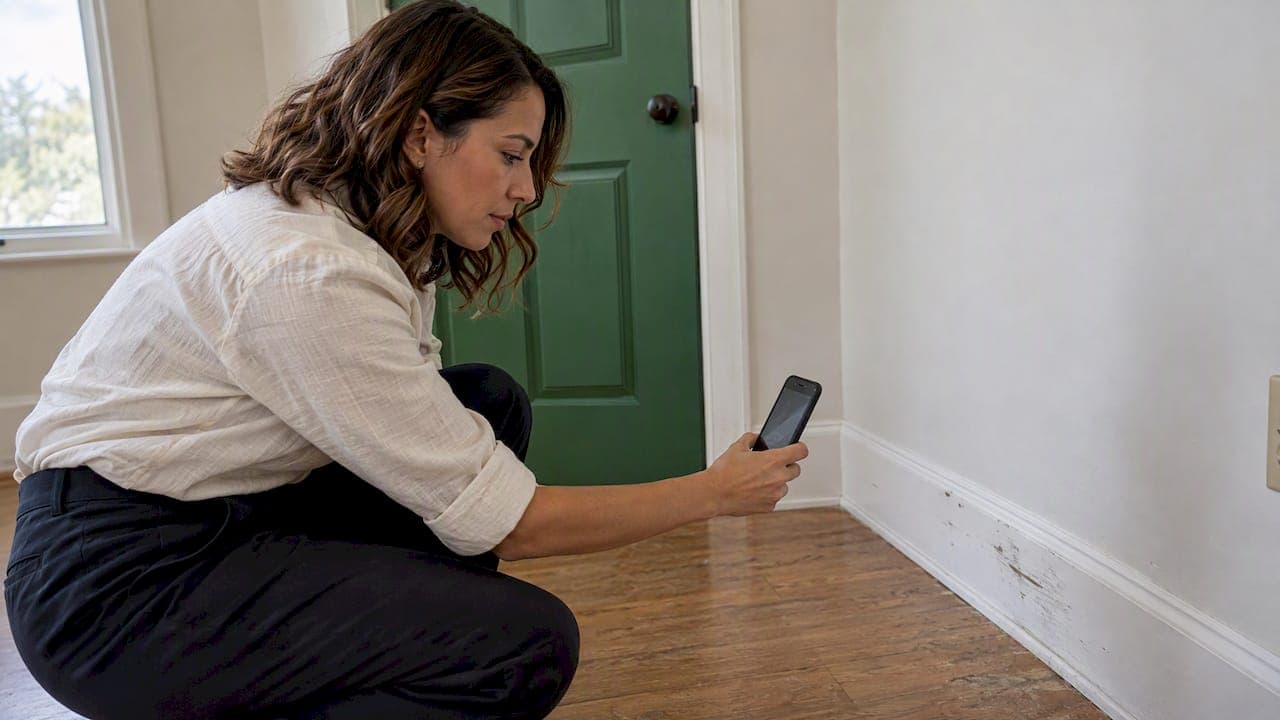
A workable rental inspection schedule has four parts: a move-in walkthrough, routine interior inspections every 3 to 6 months, a move-out walkthrough, and extra visits after repairs, complaints or severe weather. Before you set any dates, check your state's entry-notice rule and whether your city or county runs its own inspection program. Those two things decide what you are allowed to do, and the rest is a calendar you keep.
TL;DR
- Schedule a move-in inspection before the tenant takes possession and a move-out inspection after they leave. Document both with dated photos and a signed condition report.
- Routine interior inspections commonly run every 3 to 6 months. Many sources say at least every six months is a sensible floor.
- Notice rules are set by state law and your lease. Many states use at least 24 hours for non-emergency entry, but some require more.
- Some cities and counties require periodic inspections by the government, such as every four years in Los Angeles County and in Lancaster, Pennsylvania. Verify yours.
- Put every inspection on a recurring calendar and store the results by property, so the history is there when you need it.
Table of Contents
- The core schedule at a glance
- Move-in and move-out inspections
- Routine and seasonal inspections
- Notice rules: what you must tell the tenant
- Local and federal requirements you may not know about
- What to check during a routine inspection
- Warning signs that need prompt follow-up
- Vacation rentals and second homes
- Turning the schedule into a system
- Our perspective
- Keep every inspection on the calendar
- FAQ
- Sources
The core schedule at a glance
Most landlords end up with a rhythm like the one below. Treat it as a starting point and adjust for lease length, property age, climate and local law.
| Inspection | When | Main purpose |
|---|---|---|
| Move-in | Before the tenant moves in | Record the starting condition |
| Routine or seasonal | Every 3 to 6 months | Catch small maintenance problems and check lease compliance |
| Maintenance follow-up | When a tenant reports an issue, and after repairs | Confirm the problem and the fix |
| Event-driven | After severe weather or a major incident | Check for hidden damage |
| Move-out | After the tenant leaves | Compare against move-in, support deposit decisions |
| Exterior drive-by | Monthly if you can | Spot visible exterior changes early |
The timing of the first four rows comes from common industry practice. One property management guide describes move-in inspections before occupancy, move-out inspections afterward, routine or seasonal checks every 3 to 6 months, and maintenance inspections when a tenant reports an issue. Another Forbes Business Council piece says full inspections should happen at least every six months, with periodic checks every three to six months, and that frequency depends on property type, lease term and how much time you have for preventive maintenance.
There is no single national rule for private landlords. That is why the next sections matter as much as the calendar.
Move-in and move-out inspections
These two bookend every tenancy, and they are the ones that protect your money.
Move-in. Walk the unit before keys change hands. Photograph every room, including walls, floors, ceilings, appliances and fixtures, and note existing wear. Have the tenant sign a condition report. Guidance from one landlord resource is to document move-ins with dated photos and a signed condition report to support security-deposit deductions. Without that baseline, a deposit dispute becomes your word against theirs.
Move-out. Inspect after the tenant has removed their belongings, and compare room by room against the move-in record. Same photo angles, same order. Then sort what you find into normal wear and tenant-caused damage, because deposit rules in your state will turn on that difference. Check your state's deadlines for returning deposits before you promise anything.
If you want the full sequence between tenants, our rental turnover checklist lays out the order of work, and the rental document checklist covers the paperwork to file at each handoff.
Routine and seasonal inspections
Routine inspections are where a schedule earns its keep. A slow leak under a sink or a failing smoke detector battery is cheap to fix in month three and expensive in month ten.
A few ways to set the interval:
- Every 3 months suits older buildings, properties with deferred maintenance, new tenants you do not yet know, or homes with systems that fail seasonally (heating, cooling, roof drainage).
- Every 6 months suits newer, well-maintained units with a stable tenant. Pair one visit with the heating-season changeover and one with the cooling season.
- Seasonal rhythm works well for owners who prefer to tie visits to tasks: filter changes, gutter cleaning, winterizing, and exterior checks in spring.
Some providers push the interval to six to eight months for lower-risk properties, adding extra visits at move-in, move-out, after major repairs, and after severe weather, as in one property manager's January 2026 schedule. The point is not the exact number. It is that you choose an interval, write it in the lease where your state allows, and keep it.
Also resist over-inspecting. Frequent visits can strain tenant relationships and, in some states, may cross into harassment if they are not tied to a legitimate reason. Routine, announced, predictable visits are easier on everyone.

How long should you plan for?
Set aside time based on unit size and condition rather than a fixed number. A routine visit is a focused walk through every room with a checklist, not a deep clean or a repair session. Move-in and move-out visits take longer because you are photographing and documenting everything. Book the slot with the tenant accordingly, and keep a short written record each time, even if nothing is wrong.
Notice rules: what you must tell the tenant
A schedule is only usable if the visits are legal. In general, landlords need a valid reason and advance notice before entering an occupied unit, and many states use at least 24 hours for non-emergency entry, while emergencies commonly permit immediate entry. But state rules differ, and so do lease terms.
Two concrete examples show the range:
- Maryland requires written notice at least 24 hours before entry, with an exception for emergencies where entry is needed to protect property from imminent harm or to protect occupants' safety, per House Bill 1076 (2025).
- Other states set longer or vaguer standards, such as two days or "reasonable notice." Check your own state's statute rather than relying on a general summary.
Can a tenant say no?
In most states, a tenant cannot simply refuse a properly noticed, reasonable-hours inspection for a legitimate purpose. But they can often ask to reschedule, and an improperly noticed visit can be refused. If a tenant keeps blocking access, do not enter anyway. Put the request in writing, offer alternative times, and look up your state's remedies. For a real emergency, such as a burst pipe or gas smell, most states allow immediate entry.
Good habits that keep the peace:
- Give written notice, with the date, a time window and the purpose.
- Schedule during normal daytime hours.
- Offer one or two alternate times.
- Tell the tenant what you will look at, and that it is a maintenance check.
- Save a copy of the notice with the inspection record.
Local and federal requirements you may not know about
Some owners discover too late that their city has its own schedule. Inspections can be required by the government, independent of anything you decide.
- Los Angeles County requires covered rental properties to get a routine inspection at least once every four years, with more frequent inspections possible where violation risk or history suggests greater health or safety risk, according to its Rental Housing Habitability Program inspection guide.
- Lancaster, Pennsylvania requires a periodic systematic inspection at least once every four years after a rental license is issued, in addition to initial, complaint-based and disruptive-conduct inspections, per the city's 2025 rental property pre-inspection guide.
- Sacramento runs a rental housing inspection program that includes a self-certification checklist, which is a useful model even if you are elsewhere. See the city's checklist.
- HUD-assisted housing follows NSPIRE. Properties do annual self-inspections of all units, and government-side inspections occur every one to three years depending on the previous score, with additional inspections possible when conditions are poor. The details are in HUD's NSPIRE inspection types factsheet.
How to verify what applies to you
Start with your city or county website and search for "rental license," "rental registration" or "rental housing inspection." Call the code enforcement or housing department if the page is unclear, and ask three things: whether your property type is covered, how often inspections occur, and who schedules them. Then put the answer in your calendar, including the renewal date of any rental license.
If you own pre-1978 housing, lead rules matter too. HUD's guidance on ongoing lead-safe maintenance recommends visual assessments at least annually for pre-1978 housing, and also when a resident complains of a potential lead hazard, at turnover or vacancy, or after significant damage. Maryland also has its own lead-risk inspection requirements for rental housing, so owners there should check state guidance.
What to check during a routine inspection
Work from the same checklist every time, in the same room order, so changes are easy to spot. Official municipal checklists give a good baseline. The Sacramento checklist, for example, includes verifying that smoke and carbon monoxide detectors are installed and working, along with plumbing, electrical systems, and the condition of floors, walls and ceilings.
A practical room-by-room list:
- Whole unit: Test smoke and carbon monoxide detectors. Check that doors and windows open, close and lock. Look for ceiling stains, mold-like spots and musty smells.
- Kitchen: Look under the sink for moisture, check the faucet and disposal, confirm the range hood and appliances work, check for pests.
- Bathrooms: Inspect caulk and grout, toilet stability, water pressure, exhaust fan, and any soft spots in the floor near the tub or toilet.
- Mechanical: Replace or check HVAC filters, inspect the water heater for corrosion and leaks, and note the age of major systems.
- Exterior: Look at the roof line, gutters, downspouts, drainage away from the foundation, railings, steps and walkways.
- Lease compliance: Unauthorized occupants or pets, blocked exits, stored hazardous materials, signs of smoking where it is prohibited.
If you want a deeper safety-focused list, see our landlord safety inspections compliance checklist. For homes where families with small children live, a babyproofing checklist is a handy reference for hazards like unsecured furniture, window cords and cabinet access, and you can suggest tenants review it themselves.
Warning signs that need prompt follow-up
A routine inspection is mostly about noticing. These findings should move from "note it" to "schedule it this week":
- Water: Active drips, damp cabinets, ceiling stains that are new or growing, or soft flooring. Water damage compounds quickly, so find the source first.
- Safety devices: Missing, disabled or expired smoke and carbon monoxide detectors. Replace them immediately and document the date.
- Electrical: Scorch marks, buzzing outlets, frequently tripping breakers, or extension cords used as permanent wiring. Have a licensed electrician look at it.
- Heating and fuel-burning equipment: Unusual smells, soot, or a pilot flame that will not stay lit. Bring in a licensed technician.
- Pests: Droppings, chew marks, or live insects. Early treatment is far cheaper than a spread.
- Structural or exterior: New cracks, sagging, loose railings, or gutters pulling away from the house.
- Tenant-condition signs: Heavy clutter blocking exits, or unreported damage. Address these through your lease and a written follow-up, not an argument at the door.
For each finding, record what you saw, take a dated photo, assign a task with a due date, and note who is doing the work. Then re-inspect after the repair. That closing step is the one most owners skip.
Vacation rentals and second homes
Short-term rentals and vacant second homes run on a different rhythm. Guests are not tenants, turnover is frequent, and problems appear between stays. Many owners combine a quick check at every turnover with a deeper monthly or quarterly review. Our guides on short-term rental maintenance cadences and vacation rental inspection checklists explain a two-layer approach. If a pool or lawn is involved, the pool maintenance schedule and lawn care schedule show how to assign recurring work.

For a second home that sits empty for weeks, add a check after storms, before and after freezing weather, and before each season starts. Local rules for short-term rentals may add their own safety inspections or permits, so confirm those with your city.
Turning the schedule into a system
A schedule you only keep in your head fails the first busy month. What works:
- List every property with its lease dates, local inspection requirements and system ages.
- Set recurring events for routine inspections, with the notice date placed one to two weeks before the visit.
- Use one checklist per property type so you are not rebuilding it each time.
- Store results in one place: photos, signed reports, notices, repair invoices and vendor names.
- Review the history before every visit so you know what to look at again.
If you are starting from scratch, our maintenance calendar setup guide suggests beginning with just two checks, and the rental property maintenance and recordkeeping guide covers what to keep. For a broader view of your obligations, see the 90 day plan for landlord maintenance responsibilities.
Our perspective
Most owners we talk to do not fail at inspections because they do not care. They fail because the information is scattered. The last move-in photos are in a phone, the lease is in an email, the plumber's number is in a text thread, and the water heater warranty is in a folder nobody can find.
We built Property Command Center around that problem. An inspection schedule is really a memory problem: what did we see last time, who fixed it, what is coming due. When each property has one living record with its maintenance history, documents, vendors, tasks and reminders, the next inspection starts from what you already know instead of from zero.
We also think owners should not have to retype everything. Smart Setup is designed to help pull information from the spreadsheets, files and emails you already have, so you can spend the time on the property, not on data entry.
Francisco
Keep every inspection on the calendar
Property Command Center is built for owners who manage several homes, rentals or vacation properties themselves. You can organize each property's documents, vendors, tasks, maintenance history and reminders in one place, so your inspection dates, follow-up repairs and signed reports stay together.

There is a 14-day free trial with no credit card required. After that, Starter is $19 per month and Pro is $49 per month, with plans based on the number of properties. See the plans and pricing or start from the homepage.
FAQ
How often should a landlord inspect a rental property?
Most guidance points to routine interior inspections every 3 to 6 months, and at least every six months for a well-maintained unit. Add inspections at move-in and move-out, and after major repairs or severe weather. Your state's notice rules and lease terms set the limits.
How much notice do I have to give a tenant?
It depends on the state. Many require at least 24 hours for non-emergency entry, while others require two days or "reasonable" notice. Maryland, for example, requires written notice at least 24 hours ahead. Check your state statute and put the notice in writing.
Can a tenant refuse an inspection?
Usually not if you gave proper notice, came at a reasonable time and had a legitimate reason. A tenant can often ask to reschedule, and may refuse an improperly noticed visit. If access is repeatedly blocked, document it and follow your state's legal process instead of entering without permission.
Does my city require rental inspections?
Some do. Los Angeles County and Lancaster, Pennsylvania, for example, require periodic government inspections at least every four years. Check your city or county website for rental licensing or registration rules, or call the code enforcement office.
What should I photograph at move-in?
Every room, including walls, floors, ceilings, appliances, fixtures and any existing damage, with dates on the images. Pair the photos with a signed condition report. Repeat the same angles at move-out so you can compare them directly.
Sources
- Protect Yourself And Your Property With Regular Property Inspections (Forbes Business Council)
- How Often Should You Schedule Rental Property Inspections?
- Rental Property Inspection Schedule: What to Check and When
- How Often Should You Inspect a Rental Property?
- State Laws on Landlord's Access to Rental Property (Nolo)
- Maryland House Bill 1076, 2025 Regular Session
- Rental Housing Habitability Program Inspection Guide (Los Angeles County)
- Rental Property Pre-Inspection Guide 2025 (City of Lancaster, PA)
- Rental Housing Inspection Program self-certification checklist (City of Sacramento)
- NSPIRE Inspection Types factsheet (HUD)
- Chapter 6: Ongoing Lead-Safe Maintenance (HUD)
- Babyproofing Checklist